
Commercial septic systems may be buried underground and out of sight, so it’s important not to overlook their significance. These are surprisingly complicated units, and there’s really no limit to the number of unique conditions that can limit the lifespan of a septic system, which, ideally, should be up to 40 years. That’s why it’s so important for commercial business owners to perform routine treatment, pumping, management, maintenance, and service inspections.
In this blog post, we’ll address some strategic secrets to extending the lifespan of your septic system in Bonita Springs, Lehigh Acres, North Cape Coral, and surrounding areas.
Strategies for Prolonging Your Septic System’s Lifespan
1. Regular Pumping
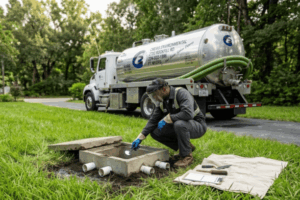
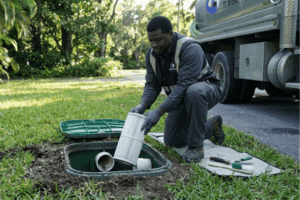
One of the easiest ways to care for your commercial septic unit and extend its lifespan is to inspect and pump out your tank regularly. Most Fort Myers septic pumping, installation, repair, treatment, and maintenance experts suggest scheduling a professional inspection at least every 3 to 5 years. However, commercial septic systems serving multiple occupants can have a higher workload, potentially shortening the system’s lifespan. For more information, contact our team at 239-766-5469.
Furthermore, you should schedule septic pumping routinely to avoid sewage sludge buildup at the bottom of the tank. Eventually, that sludge can overflow, seep into your drain field, and back up in your building’s pipes.
2. Ensure It’s Properly Installed
According to the top commercial septic inspection, pumping, maintenance, and treatment experts in Fort Myers, a septic system is only as good as its installation, and if it isn’t lodged properly, it won’t perform correctly, and you’ll likely experience major problems down the line.
As a responsible property owner, it’s important to ensure you’re working with a credible septic service like Crews Environmental. Our team of experienced septic professionals understands how to size and install your septic system for optimal performance. Our team will also suggest eco-friendly septic practices that can help extend your system’s lifespan.
3. Monitor Water Usage
Every septic unit has a certain volume of sewage and wastewater that it can safely and efficiently tolerate. The capacity of your commercial septic system varies based on its size but typically ranges from 600 to 2,000 gallons of wastewater. Simply put, minimizing wastewater ensures a longer lifespan for your system.
You can save water and lessen the load on your septic system by following these strategic septic care tips:
- Look for signs of leaks from your pipes and fixtures, and get them repaired quickly.
- Install water meters to track water consumption and identify any unusual spikes or patterns.
- Educate employees about water-saving practices, such as fixing leaks promptly and using water-efficient appliances.
- Implement regular maintenance checks to detect and repair any plumbing issues that could lead to excessive water usage.
- Consider installing low-flow fixtures and appliances to reduce water consumption without compromising functionality.
Slowing down the flow of wastewater into your system will help it process sewage more efficiently and keep your septic running longer.
4. Maintain Drainfield Health
To keep the entire commercial septic system healthy and operating at ideal levels, make sure you follow these strategic septic practices:
- Don’t park anything on the leach field. The weight of trucks, cars, campers, and other heavy vehicles can damage the drain field area and make it harder to drain.
- Plant trees strategically. Tree and shrub roots that you assumed were harmless could eventually intrude into the drain field, leading to additional damage. When planning your landscaping, it’s advisable to seek advice from a septic professional to maintain adequate spacing between your plantings and the drain field.
- Keep your drain field free of blocks and obstructions. In the event of a future issue, ensure that your septic system contractor can easily access the area for inspection and repairs.
- Ensure that all of your rainwater disposal system elements (such as downspouts and roof drains) point away from the leach field. Excess water of any kind can overwork the field, leading to clogs, blockages, and backups in your landscape.
5. Don’t flush solid objects
Leading commercial septic system upkeep and maintenance services in Fort Myers reveal that a commercial septic system is designed to handle only water, toilet paper, and human waste. Unfortunately, many employees treat the drains and toilets like trash cans, thinking they can handle any object they trash down them. That’s completely untrue!
No matter what kind of septic system you have, it’s important to avoid flushing any of these items down the drain:
- Baby wipes or wet wipes
- Feminine hygiene products
- Cooking grease or oil
- Diapers
- Dental floss
- Q-tips or cotton swabs
- Cigarette butts or tobacco residue
- Paper towel
- Medicine
- Cat litter
- Consumer chemicals (gasoline, paint, pesticides, household cleaners, etc.)
6. Professional Maintenance
By now, we’ve discovered that backed-up sinks and toilets, a strange septic odor, and sluggish drainage indicate that your residential or commercial septic system needs a little professional attention.
If you begin to notice signs of a septic problem, don’t hesitate to schedule an appointment with a commercial septic system treatment, pumping, inspection, and maintenance specialist like Crews Environmental, who can inspect your system, diagnose the issue, and fix it. Our qualified plumbers can handle any clog, blockage, or drainage problem in your commercial plumbing or in the line between the official building and the septic cleanout.
How a Septic Tank Works and What Shortens Its Lifespan
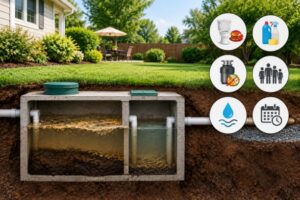
A septic system has two main parts: the septic tank and the drain field. The tank holds wastewater long enough for solids to settle to the bottom as sludge. Oils and grease rise to the top as scum. The liquid layer in between is where bacteria treat the waste.
That liquid then flows out to the drain field, where the soil filters it naturally.
When the sludge and scum layers grow too thick, solids escape into the drain field and clog the soil that filters the wastewater. Once that happens, pumping the tank will not fix it. The drain field itself needs repair.
Septic Tank Maintenance: A Key to Longer Septic System Life
What a Septic Inspection Checks
If nothing is backing up, it is easy to assume everything is fine. But underground, the tank could be cracking, the baffles could be wearing out, and sludge levels could be high. You may not know until sewage shows up in your yard.
Routine septic tank maintenance includes an inspection that looks at:
- Sludge levels in the tank
- The tank itself, for cracks that can slowly leak wastewater
- The baffles. A failing baffle can let solids flood the drain field.
- Filters, since buildup forces the system to work harder
- The components of aerobic systems
- The overall health of the drain field
Why Some Tanks Fill Faster Than Others
How fast solids build up depends on household size, tank capacity and water use:
- More people in the home means more wastewater.
- Heavy water use can overload the system.
- A garbage disposal adds to the solids in the tank. Use it as little as possible.
Between service visits, keep a log of maintenance work on the system. Now and then, check the visible parts for wear or leaks.
Water Habits for a Long-Lasting Septic System
Every septic system is designed to handle a certain amount of water each day. If too much goes in too fast, the tank does not have time to separate solids from liquids. Partly treated wastewater gets pushed into the drain field, and over time the field loses its ability to work.
At home, these habits help:
- Spread laundry and dishwasher loads across the week instead of doing them all in one day.
- Wait for a full load of dishes or clothes before running the machine.
- Take shorter showers, and avoid running long showers back to back at busy times.
- Do not route your water softener’s discharge into the septic system.
Protect the Bacteria That Break Down Waste
Your septic tank relies on good bacteria to break down waste. Some products kill those bacteria and disrupt the whole process.
- Skip chemical drain cleaners. They kill the bacteria the system needs.
- Use harsh cleaners and antibacterial soaps in small amounts.
- Pour used cooking grease into a container and put it in the trash. Grease hardens in pipes and forms a layer in the tank that gets in the way of treatment.
- Treat wipes labeled “flushable” like any other wipe. They do not belong in the toilet either.
A simple rule: if you have to think twice about whether something can go down the drain, it cannot. When in doubt, throw it out.
More Signs Your Septic System Is Struggling
Backups, odors and slow drains are the signs most people notice first. Watch for these too:
- Slow drains in several fixtures at once, not just one
- Gurgling from toilets or drains, which can point to a blockage or a venting problem
- Toilets that do not flush easily
- Standing water or soggy ground near the drain field or tank
- Bright green, spongy grass over the drain field, even in dry weather. Wastewater is feeding the grass instead of soaking into the soil.
- Algal blooms in nearby bodies of water
- High levels of nitrates or coliform bacteria in well water
These problems do not clear up on their own, and every day of delay makes the repair more expensive. Sometimes the fix is a pump-out or a simple part replacement. Other times the system needs more serious repair.
Final Takeaway
If you need help extending the lifespan of your commercial or residential septic system in San Carlos Park, FL, Lehigh Acres, Bonita Springs, Fort Myers, North Cape Coral, Captiva, Naples, or the surrounding areas, feel free to contact the professionals at Crews Environmental. With decades of experience, we prioritize the longevity and integrity of your septic system.
With proper care and maintenance, our dedicated team of professionals ensures that the septic work we perform meets the finest safety standards and is done with the utmost integrity. This allows us to provide our clients with the best possible service while simultaneously protecting the environment.
The team at Crews Environmental is here for you 24 hours a day, 365 days a year! Contact us at 239-329-8996 to schedule an appointment with our team today.