


Is it constantly saturated with wastewater because of faulty clogs or leaky pipes? A bacterial mat can form along the trench walls when excess water accumulates in the drain field, causing water to sit longer in the drain line. An urgent solution is needed to rectify this issue and salvage the drain field.
Septic drain fields can, however, experience other problems as well. With over 40 years of experience in septic systems and drain fields, Crews Environmental is the leading service for Drain Field Repair in Fort Myers and beyond. Septic drain field repairs are our specialty! We have successfully repaired, installed, and replaced hundreds of septic tanks to ensure they operate as efficiently as possible. If you have a pressing issue, contact us!

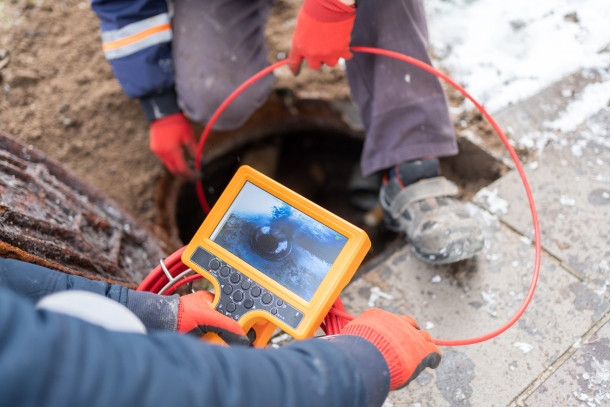
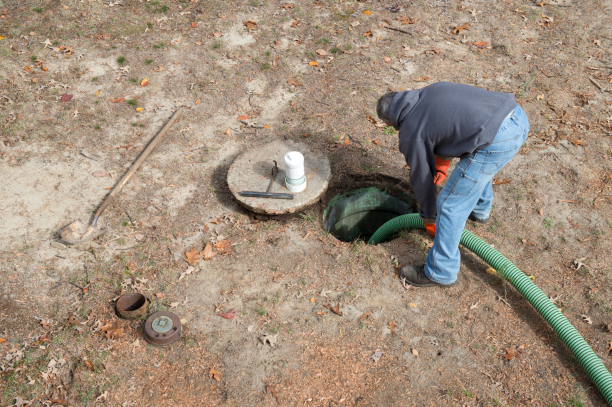




We restore oxygen flow and bacterial balance to boost wastewater absorption, reduce biomass buildup, and support natural drainfield rejuvenation—your system performs better for way longer.
Compacted or waterlogged soil gets treated and conditioned to fix soil saturation problems and improve percolation, tackling wastewater absorption issues head-on.
Busted or clogged lateral lines are repaired or swapped out to restore even flow, prevent pooling, and eliminate standing water in your drain field.
Our septic drain field repair experts adjust hydraulic loads to fix pressure and flow patterns, taking stress off the field and helping your whole septic system last longer.
We use eco-friendly products that help septic drain field restoration while protecting groundwater quality and keeping healthy soil bacteria thriving.
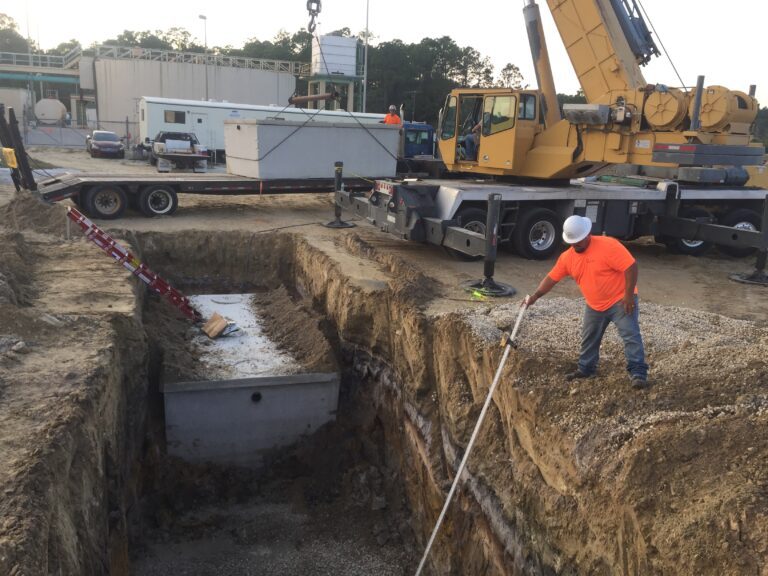
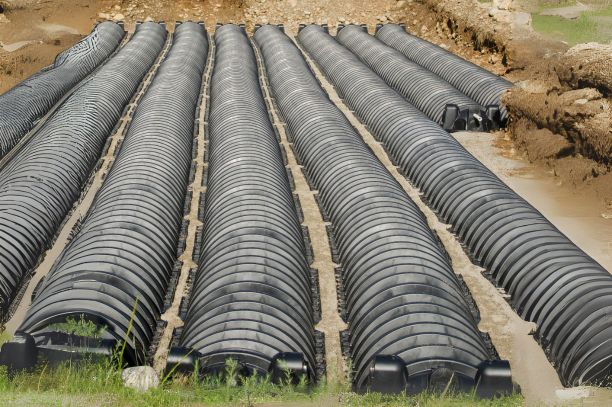

Drain fields come in many design variations. There are many factors to consider when designing a drain field, including the lot’s size, topographical features, water table depth, soil types, and conditions. There are no minimum size requirements for drain fields, but most states and municipalities have minimum requirements that must be adhered to.
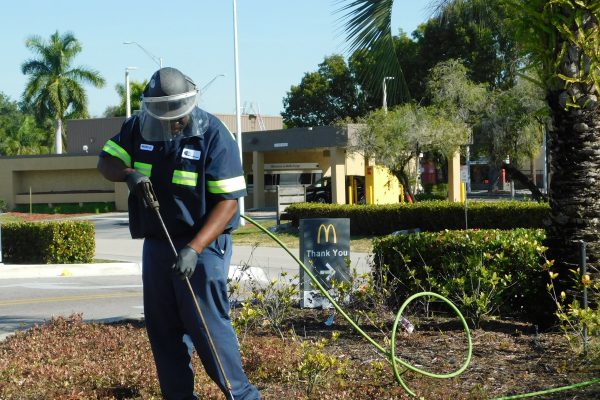

Elevated drain fields are built for properties with high groundwater and lousy natural drainage.
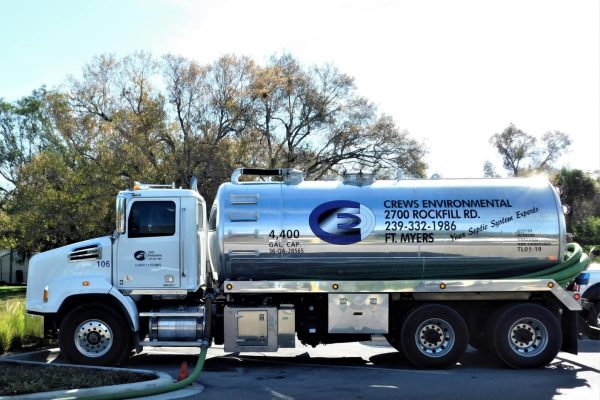
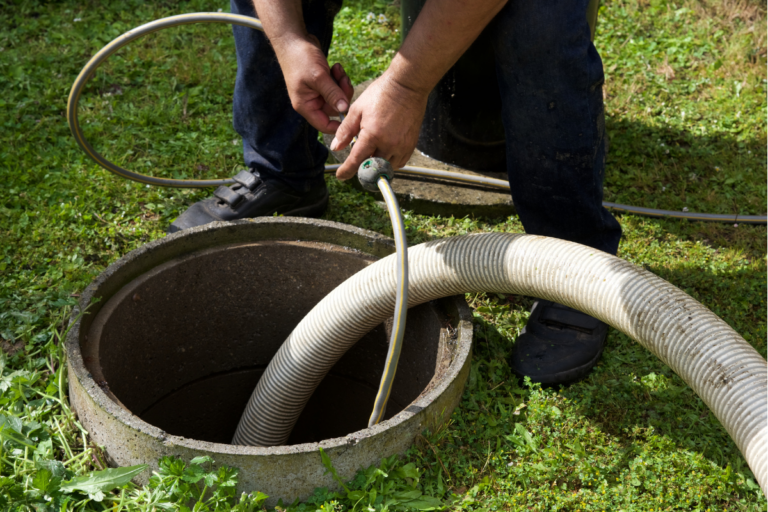
Sealed wastewater storage tanks need regular pumping and professional septic system monitoring.
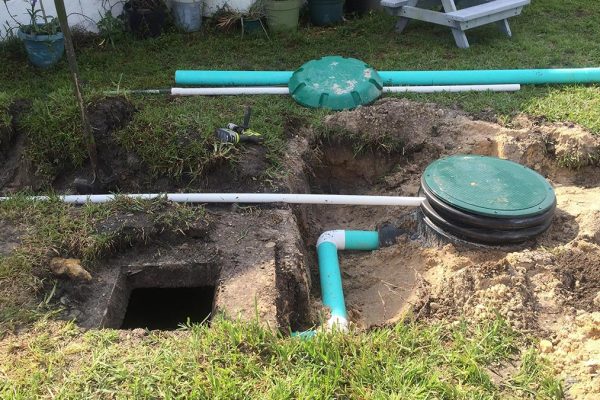
Vertical underground structures let wastewater soak into the surrounding soil slowly.

Older wastewater containment needs careful monitoring, maintenance, and compliant repair work.

Systems using oxygen to boost wastewater treatment before it hits the drain field.
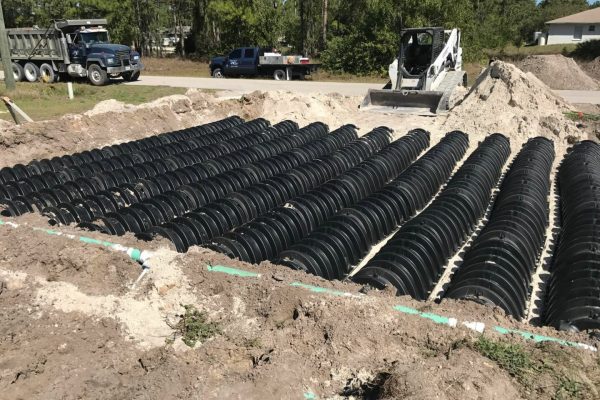
Pressurized piping networks spread wastewater evenly across the whole drain field area.


| Factor | Drain Field Repair | Drain Field Replacement |
|---|---|---|
| Best For | Minor to moderate drain field issues | Severe or complete system failure |
| System Condition | Drain lines still functional | Drain field no longer absorbs wastewater |
| Time Required | Shorter repair timeline | Longer project timeline |
| Cost Impact | Lower cost than replacement | Higher investment |
| Environmental Impact | Less disruption to soil | More excavation and soil disturbance |
| Permits | Usually limited | Often requires full permitting |
A thorough on-site assessment finds visible symptoms, surface saturation, odors, and early signs that your drain field is failing.
Evaluation checking soil permeability, groundwater levels, and soil saturation problems messing with wastewater absorption.
Flow and pressure testing catch blockages, biomass buildup, and distribution line performance problems.
Making sure all leach field repairs meet Florida health codes and local environmental regulations.
Targeted septic drain field restoration using professional methods for septic drain field repair and system rebalancing.
Post-repair inspection, surface restoration, and confirmation that everything’s draining and functioning properly.
Whether you have a septic problem or believe your septic drain field needs to be repaired or replaced, our septic professionals will inspect your system carefully and thoroughly to determine the best course of action.
We aim to correct the problem before a serious septic issue, or backup occurs. Also, we understand that any septic system issue can be stressful and scary, so we strive to provide friendly, courteous, prompt service to reduce stress on you, your family, or your business. Keeping your budget in mind is always our top priority when we complete a project from start to finish. Choosing us means you’re partnering with the best!
Quick response when backups, odors, or saturation threaten your property and health.
Certified, compliant, and protected licensed septic contractor you can trust completely.
Straightforward estimates with honest recommendations and zero surprise charges.
Our local septic experts are known for reliable, professional septic repair solutions.
Drain field repair costs swing based on soil conditions, system size, extent of damage, accessibility of the drain field, and local permit requirements. Properties with high groundwater, compacted soil, or limited access might need specialized equipment or advanced restoration methods.
A professional site evaluation locks in accurate pricing while identifying the most cost-effective solution to restore proper drainage and extend system lifespan.

Most drain field repairs in Fort Myers wrap up within 1 to 3 days, depending on soil conditions, system size, and how bad the damage is. More complicated issues involving distribution lines, high groundwater, or permitting might stretch timelines slightly, but professional diagnostics help cut delays.
Absolutely. Prolonged rainfall and storms oversaturate soil, raise groundwater levels, and hinder wastewater absorption. This causes backups, standing water, and accelerated drain field failure—especially in the sandy soils common throughout the Fort Myers region.
A properly maintained drain field typically runs 20–30 years. Regular inspections, timely septic drain field repair, and avoiding hydraulic overload can seriously extend system life and prevent premature replacement.
Common signs include standing water over the drain field, sewage smell in your yard, slow drains, frequent backups, soggy soil, and weirdly lush grass. These symptoms usually mean soil saturation, blocked lines, or failing wastewater absorption.
Drain fields are very simple to arrange. Septic tanks are usually connected to drain fields by downward-sloping pipes with holes cut in them. It is common for pipes to be made from porous materials such as gravel and buried underground. This arrangement prevents animals from ingesting wastewater and runoff from occurring.
Aerobic bacteria in the soil are essential for treating soil contamination. The soil contains pores that hold air. As a result of compaction, soil porosity will be reduced, thus reducing air availability.
To avoid the same:
Drainage fields for septic tanks vary in cost depending on their size and type. An average septic tank costs 2,800 liters to supply and install. The cost of supplying and installing a larger septic tank (4,800 liters) can be a little higher.
It is better to plant shallow-rooted plants over the drainage area to remove excess moisture and nutrients. As well as preventing soil erosion, these plants provide oxygen to the soil. The most common choice is turf grass, but many other herbaceous perennials, annuals, and groundcovers can also be safely planted.
At Crews Environmental, we know your septic system works extra hard during the holiday season. More guests, more cooking, more laundry… and a higher chance of plumbing slowdowns or messy backups.
A quick pre-holiday septic inspection or pump-out can save you from expensive emergency calls and keep your celebrations running smoothly.
Let us help keep your holidays merry, bright, and backup-free.