


Often, people with septic system issues, including odors, slow-draining sinks and tubs, gurgling pipes, backups, and sewage water ponding in their yards, incorrectly assume that their septic tank is responsible. This, however, is not true.
Problems and failures with septic systems are most commonly caused by an impermeable drainfield, a septic system component that absorbs wastewater into the soil. Drain Field Repair Naples requires professional assistance.
Crews Environmental has experience on its side. Having worked in the drain field repair industry for over 40 years, we know what it takes to troubleshoot a problem and develop a well-coordinated solution. Rather than entirely replacing your drain field system, the duo specializes in rejuvenating failed systems.
Your drain field will run as it has never done before with our 100% dedication.
No matter the problem with your system, Crews Environmental is confident that there is a solution. There is no one size fits all solution, which is why we commit to delivering results that meet our high standards.

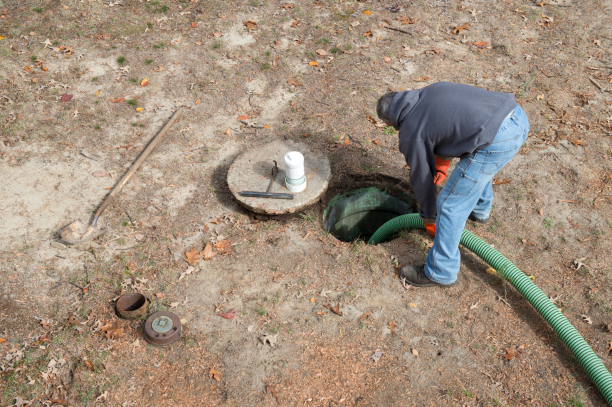



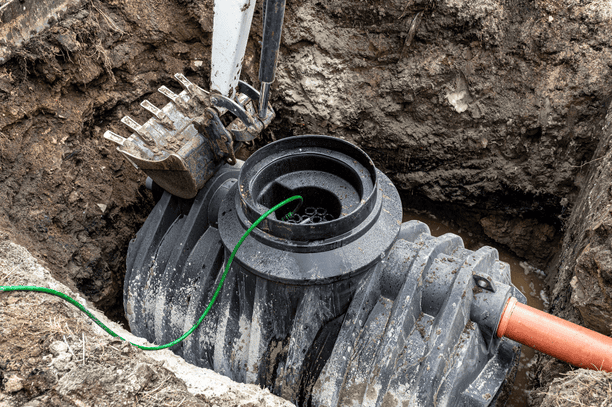
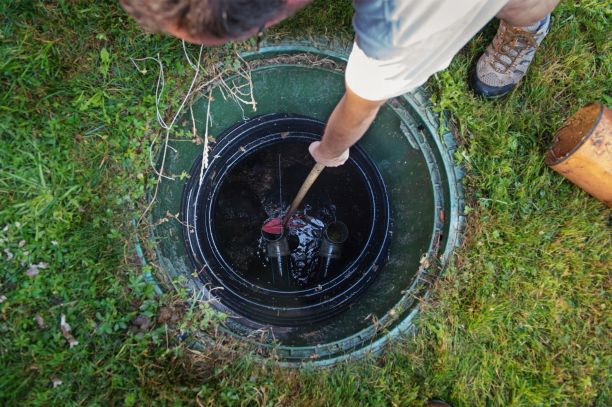
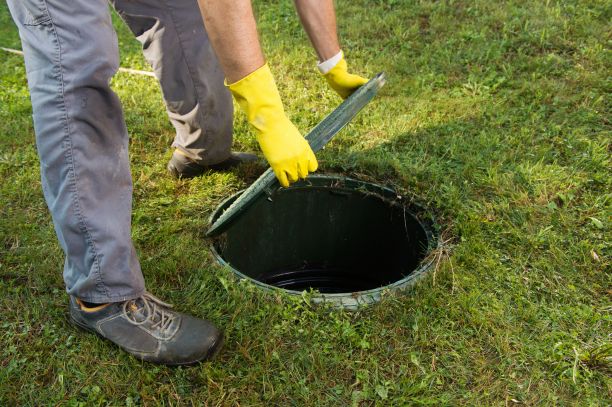
Naples properties have all kinds of drain-field setups depending on what your soil’s like, how high the water table is, and how much room you’ve got. Our licensed septic contractor crew fixes conventional systems and the fancy, advanced ones both, making sure wastewater absorption works right, everything passes code, and performance holds up even in coastal spots and high-moisture conditions, where most systems fail during rainy months.
Old-school systems using natural slope and soil absorption move wastewater around—simple and effective when conditions play nice.
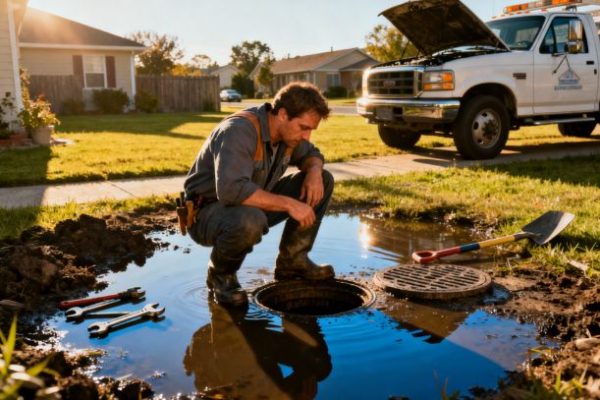
Raised drain fields built specifically for lousy soil permeability and high water tables wreck coastal properties.
Sealed tanks needing regular pumping when soil absorption just isn’t happening—last resort for rough site conditions.
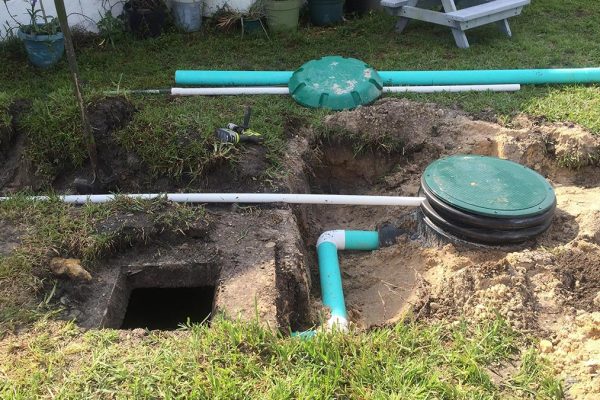
Vertical absorption for tight spaces—pretty common in older Naples properties where lots are small.

Old deep-pit structures for holding and absorbing wastewater still hanging around on legacy properties throughout the area.

Oxygen-boosted systems are improving treatment where groundwater sits high and standard setups can’t handle the load.
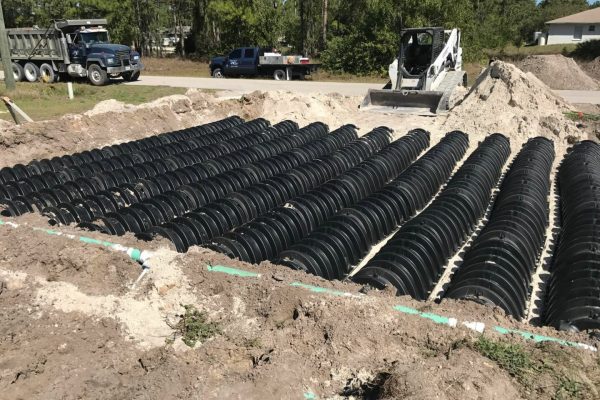
Pumped systems push effluent evenly across your drain field instead of just letting gravity do whatever.
| Factor | Drain Field Repair | Drain Field Replacement |
|---|---|---|
| Best For | Minor to moderate drain field issues | Severe or complete system failure |
| System Condition | Drain lines still functional | Drain field no longer absorbs wastewater |
| Time Required | Shorter repair timeline | Longer project timeline |
| Cost Impact | Lower cost than replacement | Higher investment |
| Environmental Impact | Less disruption to soil | More excavation and soil disturbance |
| Permits | Usually limited | Often requires full permitting |
Our local septic experts check surface conditions, standing water, odors, and system history, spotting early signs of drain field failure before they turn into total disasters.
We look at soil permeability, how saturated everything is, and groundwater depth, to figure out wastewater absorption capacity and seasonal flooding risks in your specific spot.
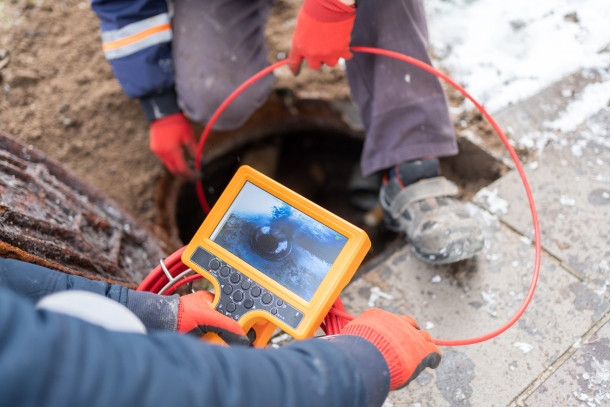
Flow testing and line inspections reveal blockages, backups, and pressure problems that affect septic drain field performance—issues you can’t see just by walking around outside.
Everything follows Florida health regulations. Our fully insured septic professionals handle permits, making sure legal compliance happens without you dealing with bureaucracy nightmares.
Targeted fixes restore distribution, get soil functioning properly, and knock out septic system backups and slow-drain problems that cause headaches throughout your house.
We check that the system is actually working properly, put your site back to looking normal, and make sure your property’s clean, safe, and working as it should.
Decades of fixing complex drain fields and septic problems in Florida’s coastal and high-water-table conditions, most companies avoid.
Quick response when sewage backups, soggy yards, or standing water threaten your home and family right now.
Local septic experts are doing environmentally responsible septic services and delivering long-term system reliability that actually lasts.

Most septic drain field repair wraps up in one to three days, depending on soil behavior, weather cooperating, and system size. Complicated stuff involving distribution lines, soil restoration, or groundwater sitting crazy high takes longer, making sure wastewater absorption works right and passes code instead of rushing half-done work failing next month.
Yes, heavy rain drowns the soil, raises groundwater levels, and impairs your drain field’s ability to soak up effluent as it should. Usually, it causes standing water over the drain field, sewage odor in the yard, and slow drains throughout your septic system, all of which scream for urgent repairs.
Drain fields that receive proper maintenance typically last 20 to 30 years. Regular septic system diagnostics, fixing problems when they start instead of waiting, and drain field rejuvenation stretches drain field life way beyond that, while keeping groundwater quality safe underneath and stopping premature system failure, costing stupid money.
Watch for soggy yard septic spots staying wet constantly, wastewater coming up making puddles, septic system backup into your house, nobody wants to deal with, sewage odors you can’t ignore anymore, and slow drains everywhere inside. These mean soil saturation problems, or that your drain field’s failing and needs professional eyes on it yesterday.
Yes! You can often repair and replace a drain field using newer technology rather than completely discarding the entire system. Testing your septic system starts with assessing and evaluating each piece of equipment.
A sewage backup may occur when a drainfield malfunctions or becomes saturated with water. The drainfield may develop wet, soggy areas with bright green spongy grass above or near it. Tanks and drain fields may also emit odors.
Inspect the tank’s state and check the pumps, floats, and alarms to ensure they are working properly. Lastly, we will inspect the drain field for signs of damage. We will look for physical damage, organic failures, or landscaping issues. All equipment must be checked for condition and assessed for repair, service, or replacement if necessary.
Depending on the nature of the damage (e.g., line breaks, pump failures, etc.), we will develop a customized project for your property.
There is the possibility of sewage backing up into the house when the drainfield fails or is saturated with water. Spongy bright green grass over the drain field and wet, soggy areas may develop above or near the drain field. Additionally, the tank and drain field may emit rotten smells to indicate damage.
Drain fields and septic tanks are treated with copper sulfate to kill roots. Septic systems are not only cleaned but also kept clean by copper sulfate, which kills existing roots and discourages the growth of new roots.
At Crews Environmental, we know your septic system works extra hard during the holiday season. More guests, more cooking, more laundry… and a higher chance of plumbing slowdowns or messy backups.
A quick pre-holiday septic inspection or pump-out can save you from expensive emergency calls and keep your celebrations running smoothly.
Let us help keep your holidays merry, bright, and backup-free.