
If you live anywhere from Burnt Store Road out toward Pine Island Road, there’s a good chance your property runs on a septic system rather than a municipal sewer connection. That’s completely normal for North Cape Coral, but it does mean your drain field is doing a lot of work, especially when the summer rains hit hard.
Florida’s high water table, sandy soil, and prolonged storm seasons create real challenges for septic systems out here. When the ground gets saturated, drain fields struggle to absorb wastewater the way they’re supposed to, and that’s when things can go sideways fast. We’ve been working on septic systems in Southwest Florida for decades, and we understand exactly how local conditions affect system performance. Our goal is to catch problems early, make targetedleach field repairs, and help you get more life out of your system, without jumping straight to full replacement.
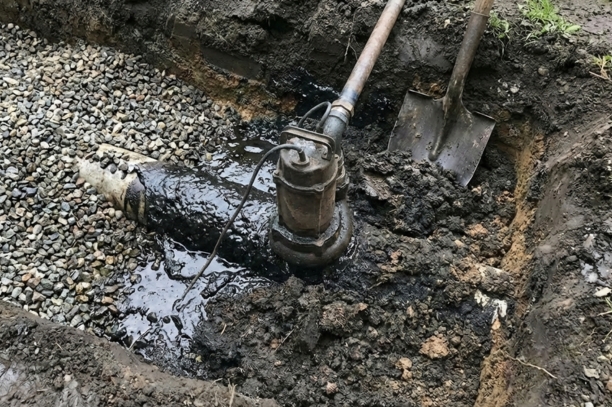

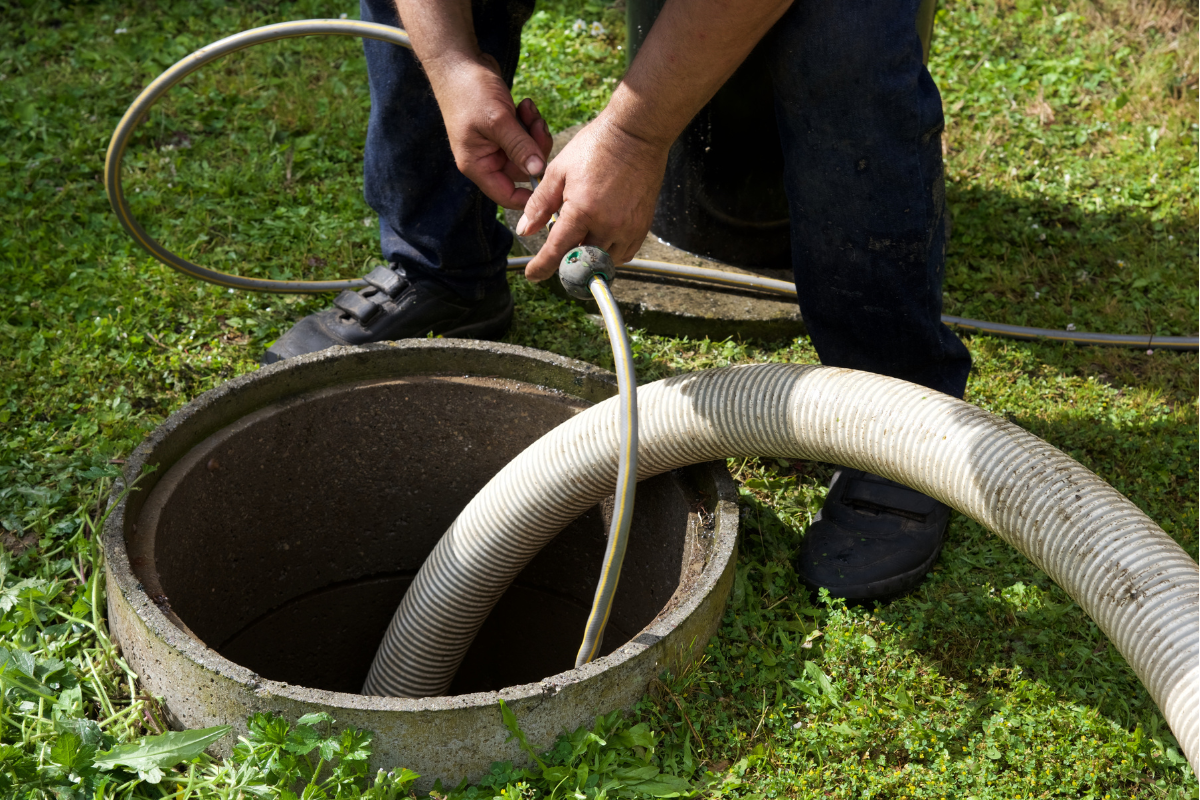

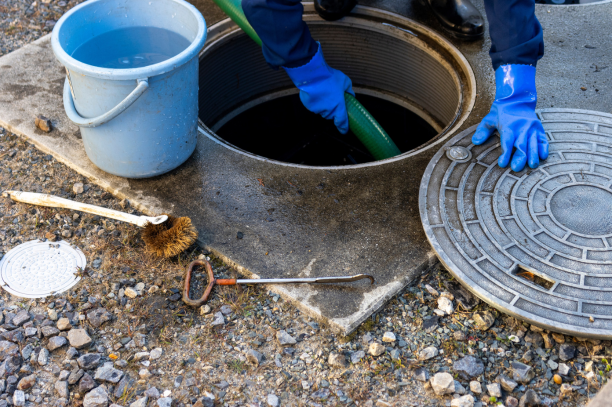
Most drain field problems don’t announce themselves all at once. They start small with a sink that drains a little slower than it used to, a gurgling sound in the pipes, and water pooling in the yard after a heavy rain. In North Cape Coral, the rainy season tends to bring these symptoms to the surface faster because the soil is already under stress from high groundwater levels. Some things worth paying attention to: standing water over the drain field area, a sewage smell lingering in the yard, or patches of grass that are noticeably greener and lusher than the rest of the lawn. That last one might seem harmless, but it usually means wastewater is surfacing where it shouldn’t be. The longer these signs get ignored, the worse the underlying problem gets, and the more strain it puts on the septic tank itself. If any of this sounds familiar, it’s worth calling us before a manageable septic drain field repair turns into something much more involved.
We’ll be straightforward with you: letting drain field failureproblems go unaddressed can get serious. Untreated wastewater can surface in your yard, which is a genuine health hazard for your family and pets. In areas with North Cape Coral’s water table conditions, there’s also a real risk of contaminants migrating into surrounding soil and groundwater. On the mechanical side, biomass buildup gradually clogs distribution lines and puts mounting pressure on the septic tank. What starts as a slow drain can eventually lead to a complete system failure and a full drain field replacement, a much more disruptive and expensive outcome than catching it early. There can also be code violations, emergency drain field repair costs,and impacts on your property value if issues are left unresolved for too long. Acting early is almost always the better call.


When biomat has built up in the soil and absorption has slowed down, rejuvenation can often restore functionality without any excavation. We use advanced techniques to break down the buildup, improve soil permeability, and get wastewater moving through the system properly again.
Compacted or waterlogged soil doesn’t filter the way it should. Our soil restoration work improves aeration and helps reestablish the natural microbial activity that keeps a drain field functioning well over the long term.
If the lines that carry wastewater across the drain field are damaged or blocked, nothing downstream works properly. Our insured septic professionals repair or replace compromised piping to restore balanced distribution.
Sometimes the issue is hydraulic, flow rates, and tank levels that are out of balance, causing certain areas of the drain field to take on more than they should. We assess the full system and make adjustments to prevent recurring saturation problems.
Everything we use is selected with groundwater protection in mind. Our treatments are effective on the drain field without introducing anything harmful into the surrounding environment.
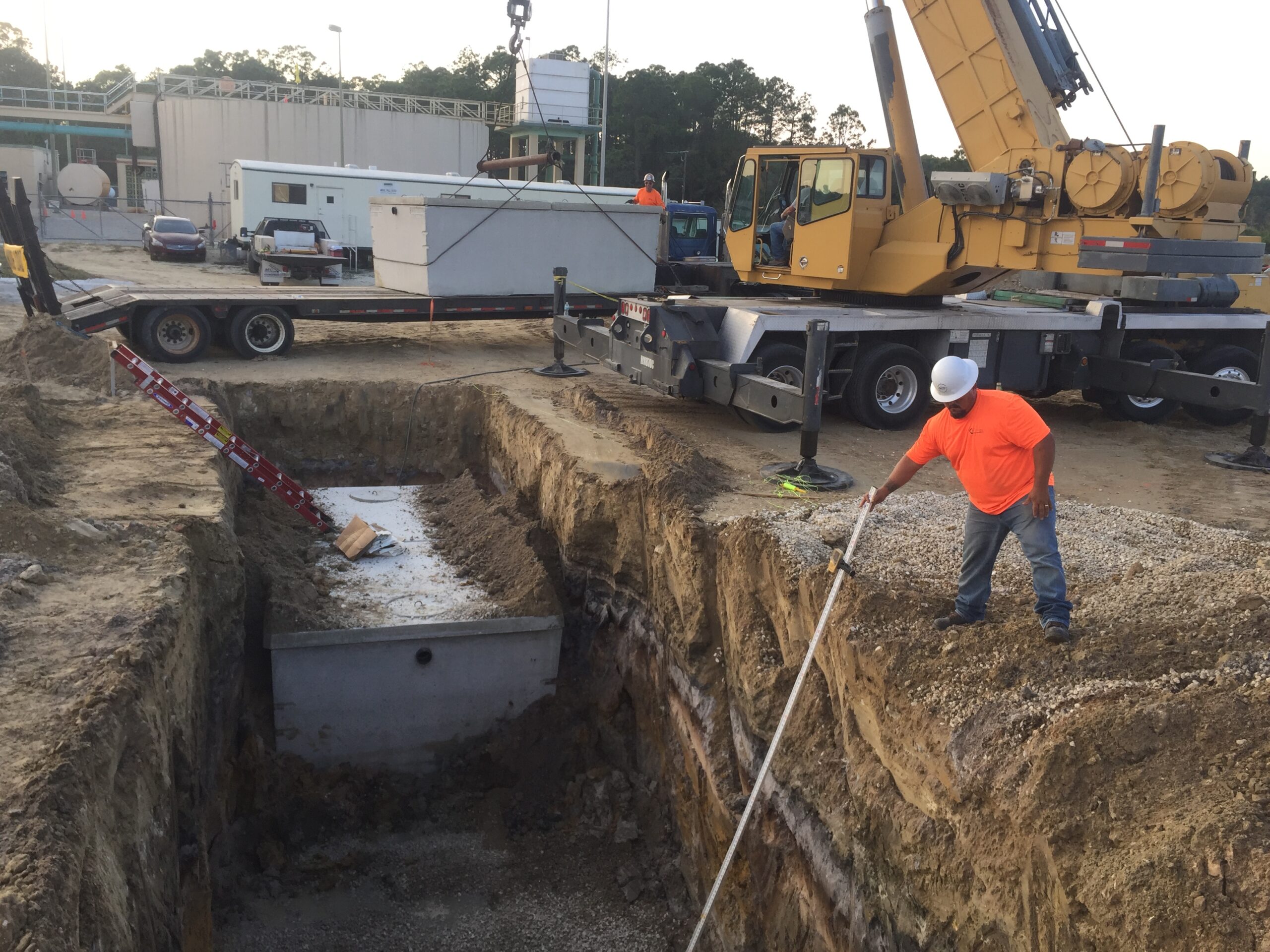

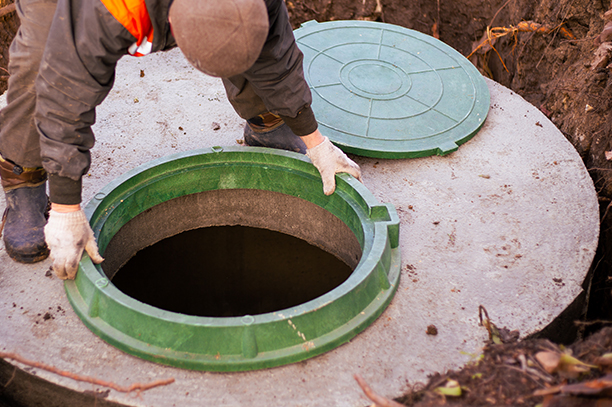
Neglecting grease trap cleaning in Fort Myers can lead to serious consequences. Health department fines, emergency plumbing repairs, and sewer line blockages are common results of excessive FOG accumulation. In severe cases, businesses face temporary shutdowns due to wastewater contamination or failed inspections. Environmental discharge violations can also carry heavy penalties in Lee County. Delayed service often turns a manageable cleaning into an expensive interceptor replacement. Preventative maintenance is always more cost-effective than emergency repairs.
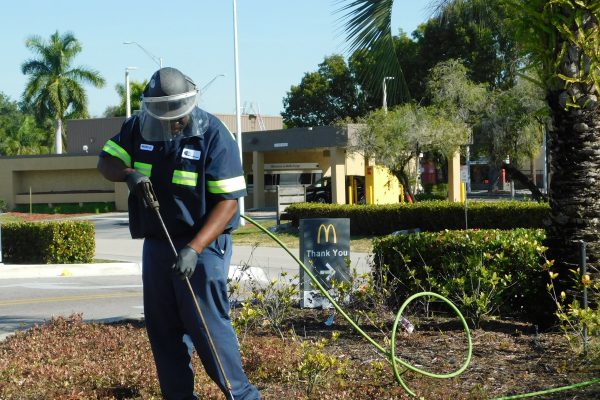
Traditional systems that use natural slope to move wastewater through the soil.
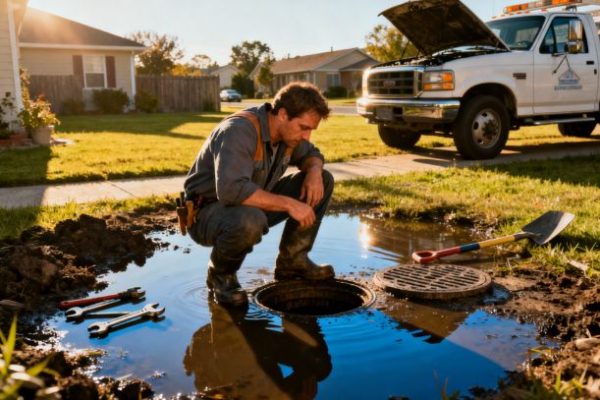
Pump-driven systems are designed to distribute wastewater evenly across all drain lines.
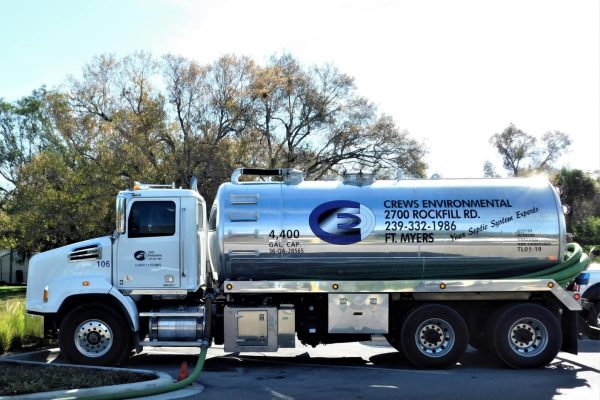
Deep wastewater absorption pits that work well on smaller or more constrained lots.
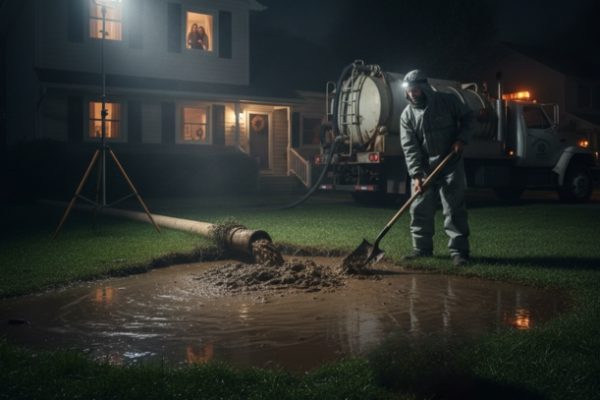
Older-style containment systems need careful assessment before any restoration work begins.
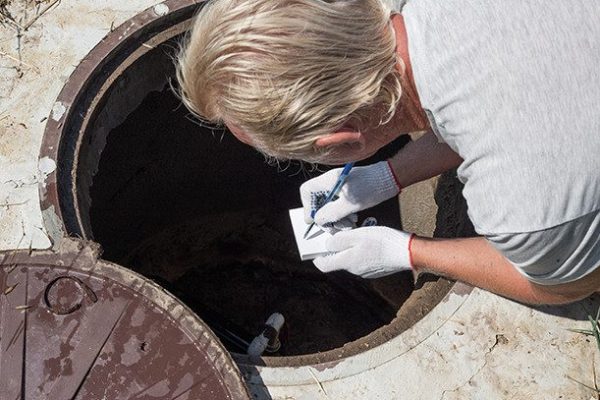
More advanced systems that introduce oxygen to improve waste breakdown before the effluent reaches the soil.
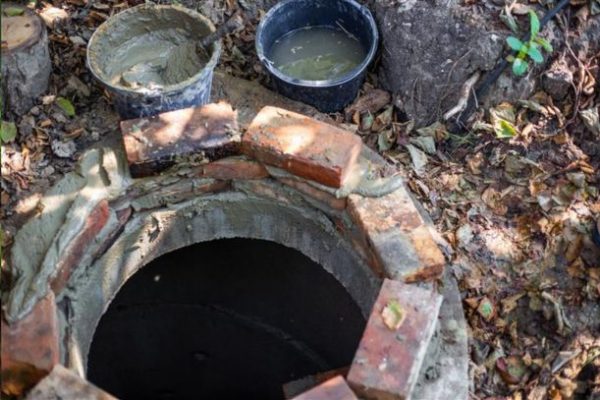
Elevated drain field systems are built for properties with high groundwater or soil conditions that don’t support conventional installation.
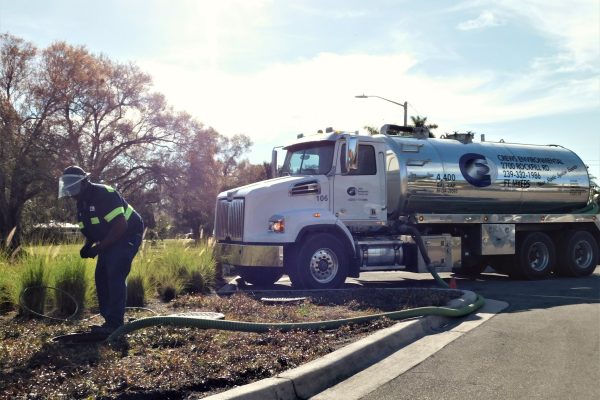
Fully sealed tanks that require regular pumping and ongoing monitoring to function safely.
One of the most common questions we hear is whether a struggling drain field needs to be repaired or fully replaced. The honest answer is that it depends, and many homeowners are relieved to learn that septic leach field repair is often the right choice. In North Cape Coral, seasonal flooding and older systems do accelerate wear. But if the distribution lines are still structurally intact and the soil can be rehabilitated, targeted drain field repair or rejuvenation can restore years of useful life without tearing up your yard. Full replacement makes sense when the system has failed completely, and there’s no viable path to restoration. We always recommend a thorough evaluation before drawing any conclusions.
| Factor | Drain Field Repair | Drain Field Replacement |
|---|---|---|
| Best For | Minor to moderate drain field issues | Severe or complete system failure |
| System Condition | Drain lines still functional | Drain field no longer absorbs wastewater |
| Time Required | Shorter repair timeline | Longer project timeline |
| Cost Impact | Lower cost than replacement | Higher investment |
| Environmental Impact | Less disruption to soil | More excavation and soil disturbance |
| Permits | Usually limited | Often requires full permitting |
We start by walking the property and doing a full evaluation of the septic system, looking for signs of failure and mapping out where the problems are concentrated.
We take a close look at soil composition, how saturated it is, and how drainage patterns on your specific lot might be contributing to the issue.
Flow and load testing give us a clear picture of how the distribution lines are performing and where absorption has broken down.
If permits are required for the work, we handle the coordination to make sure everything is done in line with local regulations.
We carry out the repairs using quality materials and proven methods, whether that’s targeted line work, rejuvenation treatment, or soil restoration.
Once the work is done, we verify that the system is functioning correctly, restore the area as much as possible, and leave your property clean.
We’ve been working on septic systems in Southwest Florida for a long time. That experience shows in how quickly we diagnose problems and how well our repairs hold up.
Septic emergencies don’t wait for convenient timing. We respond fast when you need us, including after storm events.
Every job we do is performed by licensed, insured septic professionals who meet Florida’s regulatory standards.
We give you a clear estimate upfront and honest recommendations about what your system actually needs. No surprises on the invoice.
We’re local, we’re experienced, and we’re focused on solutions that last, not quick fixes that bring you back in six months.
There’s no one-size-fits-all answer to whatdrain field repair costs in North Cape Coral are, because a lot of factors come into play. The extent of the damage, the size of your system, and the soil’s saturation all affect the scope of work. Sandy soil can simplify certain repairs, but severe saturation can complicate them. Lot grading, accessibility, and existing landscaping all influence the amount of labor required. Permit requirements and local inspection standards may also factor in, depending on the nature of the leach field repair. After we evaluate your system in person, we’ll give you a clear recommendation and a straightforward estimate.
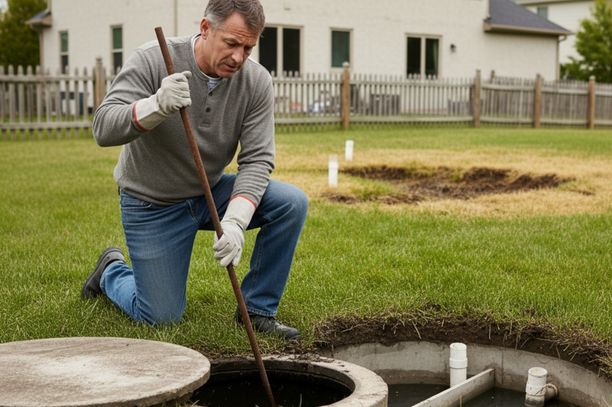
Most jobs take between 1 and 3 days, depending on system size, soil conditions, and the drain field replacement or repair involved. Simpler rejuvenation work can sometimes be wrapped up faster than that.
It can, yes, especially here. Heavy rainfall and hurricanes can rapidly raise groundwater levels, saturate the soil around the drain field, and overwhelm the system’s ability to absorb wastewater. That’s one of the reasons regular maintenance matters so much in this area.
A well-maintained drain field typically lasts 20 to 30 years. Staying on top of routine care and addressing small issues before they grow can push that number toward the higher end.
The most common ones are a sewage smell in the yard, soggy or waterlogged areas over the drain field, slow drains throughout the house, and wastewater backing up after heavy rain. If you’re seeing any of those, it’s worth getting the system looked at sooner rather than later.
At Crews Environmental, we know your septic system works extra hard during the holiday season. More guests, more cooking, more laundry… and a higher chance of plumbing slowdowns or messy backups.
A quick pre-holiday septic inspection or pump-out can save you from expensive emergency calls and keep your celebrations running smoothly.
Let us help keep your holidays merry, bright, and backup-free.

