Running a food service business in Bonita Springs isn’t easy. Whether you’re dishing out fresh seafood near Barefoot Beach Preserve or keeping up with the lunch rush along Coconut Point, the last thing you need is a grease trap cleaning problem slowing you down. That’s where we come in.
We’ve been helping local restaurants, cafés, food trucks, hotels, and commercial kitchens stay clean, compliant, and fully operational for years. Florida law requires routine grease trap cleaning for commercial kitchens, and in Bonita Springs, the combination of year-round heat, heavy humidity, and summer rainstorms means FOG (fats, oils, and grease) builds up faster than you’d expect. When that happens, sewer backups, bad odors, and health department violations aren’t far behind. We keep all of that from happening.


If your kitchen sinks are draining more slowly than usual, that’s often the first sign that FOG has built up inside the interceptor and is starting to restrict flow. Left alone, it can turn into a full-blown backup.
That lingering smell around your drains or near your outdoor interceptor isn’t just unpleasant; it’s a red flag. It usually means grease is decomposing inside the unit and wastewater is getting trapped.
If you’re seeing grease around the lids or coming up through floor drains, the unit is beyond capacity. That’s not a “schedule it for next week” situation; it needs to be pumped immediately before it causes contamination.
Wastewater backing up into sinks or prep areas means there’s a serious blockage inside the system. In most cases, this traces back to grease trap cleaning that got pushed off too long.
Grease buildup draws insects and rodents. If you’re noticing more pest activity around your kitchen or interceptor, the grease trap is likely a contributing factor, and an inspector will make the same connection.
Too much sludge in the trap or a gap in your service records can get you cited during a health inspection. Fines and corrective action orders can be avoided with regular grease trap maintenance.


We’ve seen what happens when grease trap service gets skipped for too long; it’s never a small fix. FOG buildup restricts flow until the line backs up completely. Emergency plumbing calls aren’t cheap, and neither are health department fines. In a worst-case scenario, a business is temporarily shut down while the mess is sorted out. In Bonita Springs specifically, the sandy soil and heavy summer rains make overflowing grease trap interceptors an environmental concern, not just a plumbing one. And if the interceptor itself gets damaged from neglect, replacement costs can be high. Regular maintenance is almost always the more affordable path, and a lot less stressful.


We work with restaurants, hotels, school cafeterias, food trucks, and commercial kitchens across Bonita Springs. Whatever your setup, we can handle it.
Consistency is what keeps grease traps from becoming emergencies. Our scheduled service programs take the guesswork out of maintenance. We keep FOG levels in check on a set cadence, so your kitchen never goes out of compliance.
When something goes wrong unexpectedly, we move fast. Our team responds to emergency calls across Bonita Springs, working to get your kitchen back to normal with as little downtime as possible.
A proper clean-out goes beyond just vacuuming out liquid. We remove all sludge and wastewater, then manually scrape the interior walls and baffles to remove hardened grease that a pump alone won’t clear.
Everything we pull out of your trap, grease, sludge, and wastewater gets transported and processed in accordance with Florida’s environmental regulations. You get documentation to show for it.
A food truck and a hotel kitchen aren’t on the same schedule. We look at your trap size, how busy your kitchen runs, and your local inspection requirements, then build a maintenance plan that actually makes sense for your operation.
Smaller units fill up quickly, especially in high-use environments like cafés and food trucks. We clean these thoroughly: FOG, sludge, and wastewater, to keep your drainage running the way it should.
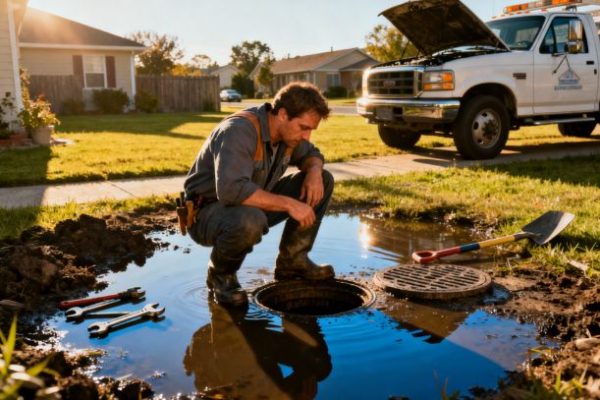
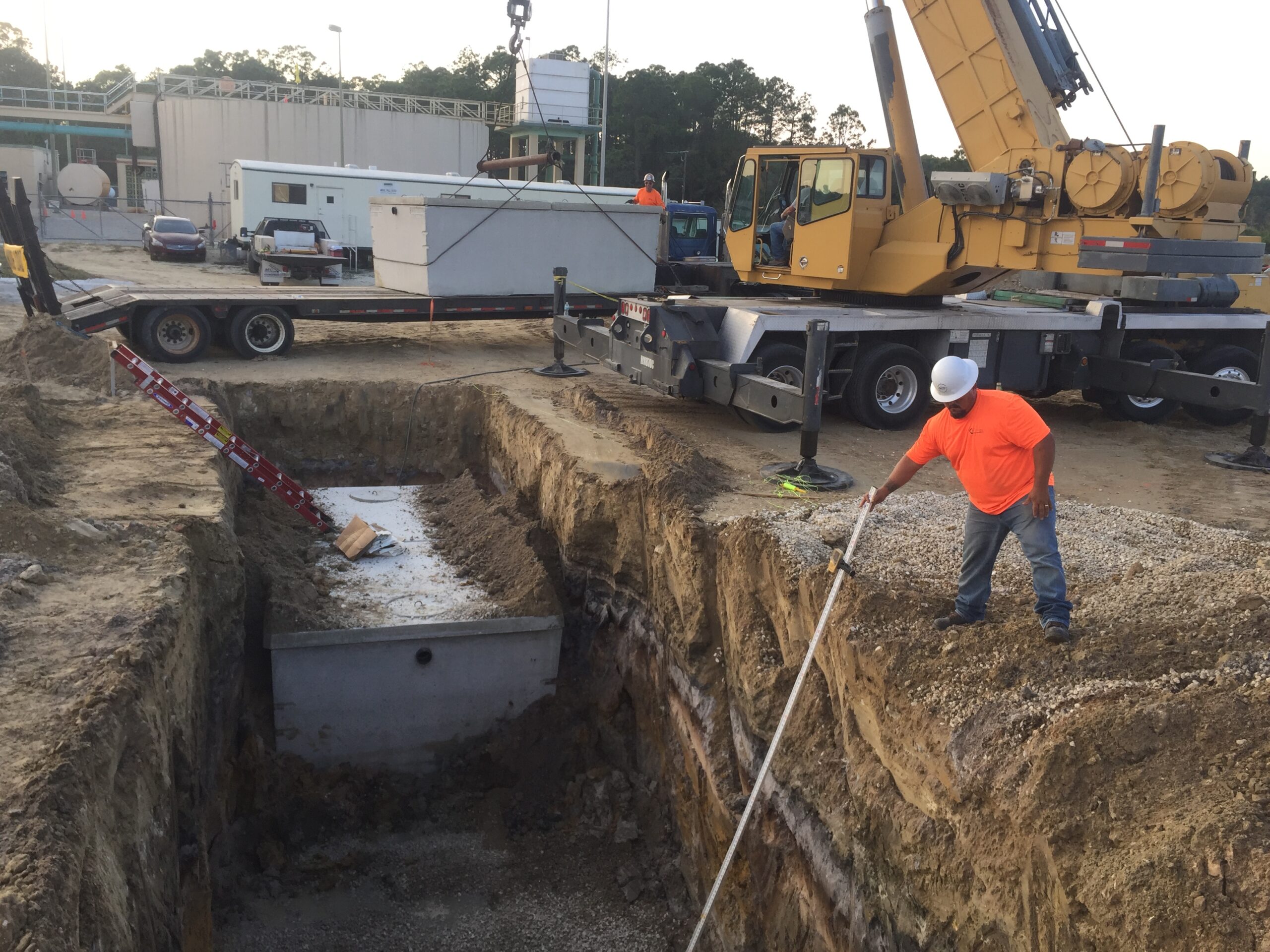
Large in-ground interceptors serving high-volume kitchens require careful attention. In Bonita Springs, where the terrain is flat and heavy rain is a seasonal reality, proper grease trap maintenance and a secure reseal after service are essential to prevent overflow and groundwater contamination.
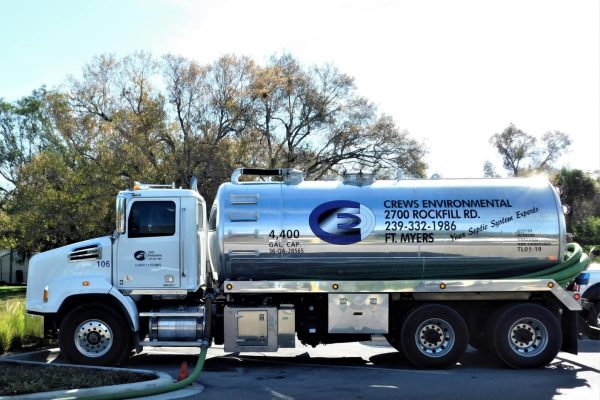
These systems handle much of the separation automatically, but they still accumulate sludge over time and require regular grease trap interceptor pumping and inspection to keep performing correctly.
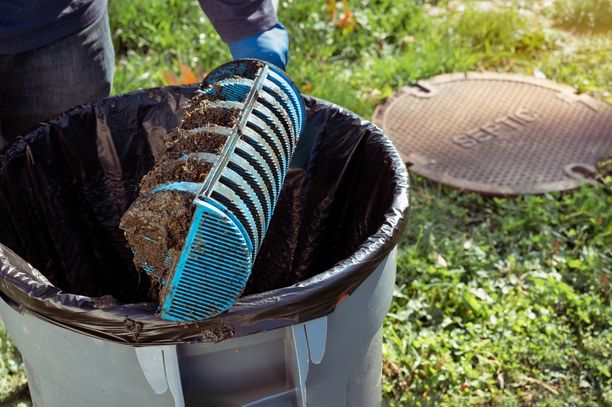
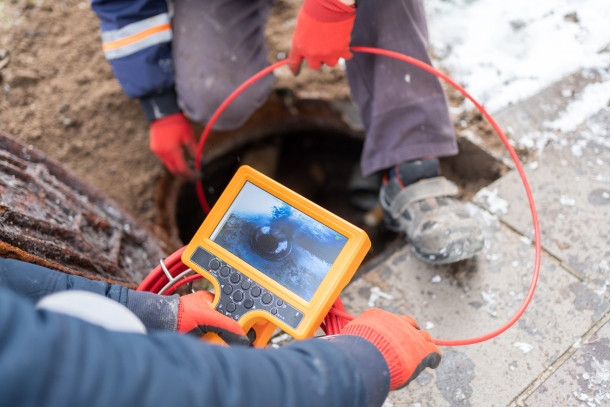
Before we start, we assess the overall condition of the interceptor, measure grease and solids levels, and ensure everything is functioning as it should.
Using commercial-grade vacuum equipment, we pull out all fats, oils, grease, sludge, and wastewater. Nothing gets left behind.
Once the unit is emptied, we scrape down the interior walls, baffles, and components to remove any hardened deposits that have built up since the last service.
We verify that the flow is restored properly, reseal all access points, and hand over detailed service documentation, exactly what you need to stay compliant.
A few things influence what a service call costs:


We’ve been doing this work in Southwest Florida for over four decades. That kind of experience shows up in the quality and efficiency of every service call.
We know the area’s restaurants run on tight margins and tight schedules. We move quickly, whether you’re booking in advance or calling us because something went wrong today.
Every local grease trap contractor who shows up at your kitchen is licensed, insured, and trained to do the job right.
We handle disposal the right way, every time, fully documented and in line with Florida environmental regulations.
Our recurring programs are designed to keep you off the emergency call list and ahead of inspections, not scrambling to catch up.
Most restaurants in Bonita Springs need service every one to three months. High-volume kitchens often need monthly pumping to keep up with FOG buildup and comply with regulatory requirements.
Yes. Florida regulations require food service businesses to install and maintain grease interceptors to protect municipal sewer systems and prevent environmental contamination.
Inspectors review grease levels in the trap, the overall condition of the interceptor, and your service records. Too much sludge or a gap in your maintenance documentation can lead to violations and fines.
The 25% rule means your grease trap needs to be cleaned once fats, oils, grease, and solids have accumulated to twenty-five percent of the total liquid depth. At that point, performance starts to decline, and compliance risk increases.
Most grease trap cleaning service calls in Bonita Springs take 1 to 2 hours, depending on the unit’s size, accessibility, and the amount of FOG that has built up since the last cleaning.
At Crews Environmental, we know your septic system works extra hard during the holiday season. More guests, more cooking, more laundry… and a higher chance of plumbing slowdowns or messy backups.
A quick pre-holiday septic inspection or pump-out can save you from expensive emergency calls and keep your celebrations running smoothly.
Let us help keep your holidays merry, bright, and backup-free.