
[column width=”1/1″ last=”true” title=”” title_type=”single” animation=”none” implicit=”true”]
There is much debate about whether septic systems in Southwest Florida are most effective and efficient wastewater treatment options. As we all know well, water is crucial to our everyday needs. From bathing and doing laundry to washing dishes and conveniently disposing of sewage – many don’t often consider the alternative to traditional public utilities. What most people don’t realize is that septic systems can be less costly to maintain than paying for a monthly water and sewer bills.
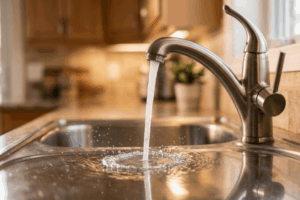
Public utilities can be costly. Only a few extra loads of laundry or a forgotten water hose can mean doubling your monthly water bill. Water bills from public utilities typically run from $50 to $150 or more per month, depending on the size of your household and water use.
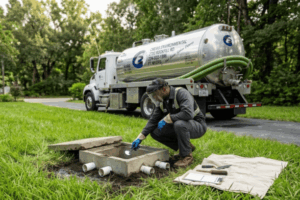
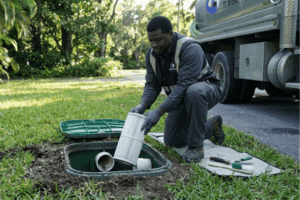
While septic systems require septic tank pump out maintenance every 3 to 5 years, the cost (around $250 per pump out) is significantly less compared to city water. There is additional cost involved in the electrical that runs the pump, but that too is minimal compared to paying a monthly water bill.
Beyond the annual cost in monthly bills, you must look at the bigger picture of wasted resources, tax dollars and special assessments paid by residents surrounding a water treatment facility. The government increases taxes or requires special assessments (similar to the situation with water and sewer assessments in Cape Coral currently) that amount to thousands of dollars in sewer assessments in addition to monthly water and sewer bills. These connections are often inefficient, and result in increased costs and maintenance, in addition to the building, staffing and maintenance of a water treatment facility.
Septic vs Sewer: Who Pays to Fix the System?
Sewer customers also share the cost of keeping the public system running. Sewer plants and pipelines wear out over time. When a county has to repair them, it may raise rates to pay for the work. Those rate hikes show up in every monthly bill.
A septic system is self-reliant. Its upkeep stays on your own property, and you control it.
How a Septic System Works
A conventional gravity-flow septic system has three working parts:
- The septic tank
- The drain field, with its replacement area
- The surrounding soil
Inside the tank, naturally occurring bacteria break down solids and process household waste. A gravity-flow system relies on gravity and this bacterial activity, so it uses far less energy than a large sewage treatment plant. Treatment plants run pumps, conveyance systems and treatment processes that consume a lot of energy.
Are Septic Tanks Bad for the Environment?
Septic systems get blamed for a lot of water quality problems. Problems do happen when a system is neglected or overdue for a pump-out. A full tank can overflow. Pollutants then seep into the soil and groundwater, or reach canals, streams, rivers and lakes. That harms aquatic life and can make the water unsafe even for recreation.
In Florida, septic tanks often take the blame for blue-green algae in local waterways. The algae is driven by high levels of nitrogen and phosphorus from sewage, manure, fertilizer and other pollutants that reach the water.
A well-maintained system works the other way. Treated wastewater returns to the ground and helps restore the local water table. In the drain field, it also supplies nutrients to the soil, which benefits nearby plants. Kept in good shape, a septic system is a greener choice than sending wastewater to a central treatment plant.
Common Septic System Myths
Myth: Your Tank Needs Additives or Extra Bacteria
It does not. Your household waste already supplies all the bacteria the tank needs. Strong household disinfectants can upset that natural balance, so a more natural toilet bowl cleaner is a better choice.
Myth: Additives Prevent Backups
Backups are prevented by proper maintenance and by being careful about what goes down your toilets and drains. If you do have backups, the age of the system and the condition of the drain field also matter.
Myth: You Only Need to Pump When There Is a Problem
Many homeowners wait too long, and the system backs up into the home. Backups and poor maintenance put extra stress on the drain field. Regular septic tank pump outs cost less than replacing a drain field.
Habits That Protect Your Septic System
- Use water wisely. Too much water can overwhelm the system and lower its efficiency. Fix leaks and choose high-efficiency appliances.
- Keep non-biodegradable items, grease, oils, chemicals and large amounts of food waste out of sinks and toilets. They cause clogs and upset the healthy bacteria in the tank.
- Do not park vehicles or heavy machinery on or near the drain field. The weight can damage the pipes.
- Plant trees and shrubs away from the drain field so roots do not grow into it and cause blockages.
- Schedule regular inspections. They help catch early signs of trouble before it leads to system failure, odors or costly repairs.
It’s easy to see that the costs involved in public utilities are significant in comparison to septic systems, even with the consideration of a brand new septic system installation. To learn more about the costs involved in septic systems in comparison to city water or to schedule an installation or pump out of septic systems in Fort Myers contact our expert service technicians.Call Crews Environmental at 239-347-0644.
[/column]