Introduction
You just paid for a septic pump-out, but the smell won’t go away. Puddles keep forming in the same spot. The toilets still drain more slowly than they should. Here’s the hard truth: your failing drain field won’t fix itself with another tank cleaning. When septic drain field problems run deeper than accumulated sludge, they demand real solutions, not another appointment with the vacuum truck. Ignoring these signs means risking property damage from septic failure, contaminated groundwater, and thousands in emergency repairs. At Crews Environmental, we’ve helped homeowners understand the difference between routine maintenance and critical drain field repair.
This article breaks down the specific drain field issues that pumping simply cannot address. You’ll learn to recognize warning signs, understand what’s actually happening beneath your yard, and know when professional drain field inspection becomes non-negotiable.
When Drain Field Repair Becomes Necessary
A lot of people think that pumping fixes everything. No, it doesn’t. Pumping the tank does nothing more or less than empty it. The real problems usually happen where the effluent meets the soil, which is downstream.
- What Pumping Actually Does — and What It Doesn’t – Pumping removes sludge and scum from your tank. This prevents solids from going into the drain field. We recommend this service every two to three years. But once wastewater leaves the tank, pumping has zero impact. Clogged drain lines, damaged pipes, or soil saturation issues remain completely untouched.
- The False Sense of Security After a Pump-Out – After pumping, the drains flow better temporarily. Everything seems fixed. Then, standing water from the drain field reappears within weeks. This delay costs you. Biomat formation in drain field systems worsens. Root intrusion in the drain field expands. What could have been a simple repair becomes a complete replacement project.
PUMPING YOUR TANK WON’T FIX A BROKEN PIPE BURIED SIX FEET UNDERGROUND.
Signs Your Drain Field Problem Goes Beyond Pumping
Certain symptoms scream drain field failure. If you’re seeing these signs, your problem isn’t in the tank.
- Standing Water or Sewage in the Yard – Sewage surfacing in yard areas means complete system failure. The soil can’t absorb anything anymore. No amount of pumping restores soil absorption capacity. This is compromised effluent absorption requiring immediate professional evaluation.
- Persistent Odors After Recent Pumping – Foul odors from the septic system that stick around after a fresh pump-out point directly to the drain field failure. The smell comes from effluent that isn’t filtering properly. Instead, it backs up or surfaces where it shouldn’t.
Soil Saturation Issues Pumping Can’t Be Resolved
The ground beneath your drain field determines everything. Bad soil creates permanent problems that no pump truck can touch.
- Compacted or Clay-Heavy Soil – Clay acts like concrete. Water can’t penetrate it. Compacted soil creates the same barrier. Either condition prevents the natural filtration your system depends on. When we perform drain field inspection services, soil testing often reveals these issues.
- Poor Drainage and High Water Table – Florida’s high water table creates unique challenges. During heavy rain, your drain field sits in saturated soil. Effluent has nowhere to go. This creates permanent failing drain field conditions that need professional repair.
Physical Damage to the Drain Field
Broken components underground won’t heal themselves. Physical damage requires excavation and replacement, plain and simple.
- Crushed or Broken Drain Lines – Settling, age, or freezing temperatures can crack distribution pipes. Once broken, effluent flows into concentrated pockets instead of spreading evenly. Pumping does nothing for crushed pipes six feet underground.
- Damage From Vehicles, Construction, or Heavy Equipment – Parking over your drain field compresses soil and crushes pipes. We’ve seen boats, RVs, and construction equipment destroy entire systems. Once damage occurs, specialists need to excavate and rebuild.
YOUR DRAIN FIELD ISN’T A PARKING LOT. TREAT IT LIKE THE ENGINEERED WASTEWATER SYSTEM IT IS.
Biological and Sludge Overload in the Drain Field
Over time, biological buildup creates barriers in the soil itself. These develop gradually and won’t disappear just because you pumped the tank.
Biomats Blocking Proper Effluent Absorption
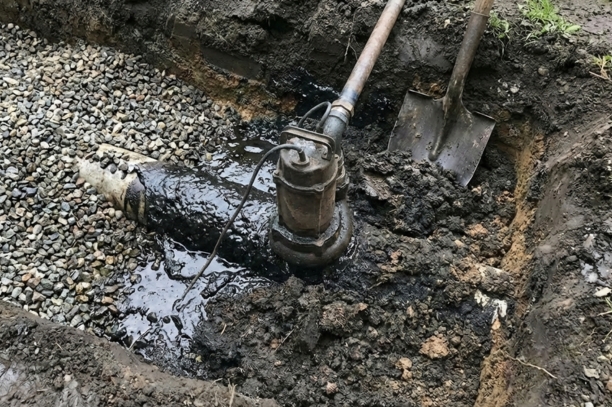
A biomat is a black, jelly-like layer that forms where effluent meets soil. Too much biomat makes it almost impossible for water to flow through, which causes wastewater to pool and back up. The biomat is still in the soil and still blocking absorption, even after the tank has been pumped.
Long-Term Overuse Without Maintenance
Households that consistently overload their systems accelerate failure. Excessive water use and years of pushing limits create irreversible damage. This septic system failure requires more than routine service.
Root Intrusion and Environmental Damage
Trees and landscaping choices wreak havoc on drain fields. These problems grow worse over time, and pumping won’t remove a single root.
- Tree Roots Invading Drain Lines – Tree roots are drawn towards the water and nutrients in septic systems. Once inside pipes, they grow rapidly and cause complete blockages. Root intrusion in drain field systems requires excavation or mechanical cutting.
- Landscaping Choices That Suffocate the Drain Field – Planting deep-rooted vegetation over your drain field invites disaster. Dense ground cover prevents oxygen from reaching the soil—oxygen that’s essential for treating effluent. These choices create problems that pumping can’t reverse.
When Drain Field Repair Is the Only Solution
Sometimes you can patch things up. Other times, you’re looking at a full rebuild. Knowing which one you need keeps you from throwing money at a problem that won’t go away.
Partial Repairs vs Full Drain Field Replacement
Partial repair works when the damage hasn’t spread. Maybe one section got crushed, or you’ve got clogged drain lines in a specific spot. We can usually fix that without tearing up your whole yard. But when the soil’s soaked through everywhere or half your system is shot, you’re looking at replacement territory.
Factors That Determine Repair Feasibility
How old is your system? What’s your soil like? Where’s everything laid out on your property? All of this matters when we’re deciding if repair makes sense. Our team at Crews Environmental won’t sugarcoat it. If a repair gets you back on track, great. If not, we’ll tell you straight.
How Professionals Diagnose Non-Pumpable Drain Field Issues
Homeowners see puddles and smell problems. We dig deeper—literally and figuratively. We’ve got tools and tests that show us exactly what’s happening underground.
- Soil Testing and System Evaluation – A real drain field inspection isn’t just poking around. We test your soil to see how fast water moves through it. We check saturation levels. We measure biomat buildup, look for compacted areas, and spot structural problems you’d never see from your lawn.
- Spotting Hidden Failures Beneath the Surface – Problems that go deeper are shown by surface symptoms, like sewage surfacing in the yard. Camera inspections and pressure tests can show full damage. We use this information to make repair plans that are right.
Preventing Drain Field Damage That Pumping Can’t Fix
Smart habits protect your drain field from problems that pumping can’t address. Prevention always costs less than replacement.
- Water Usage Control and Load Management – Drain field maintenance starts with controlling what enters your system. Space out laundry loads. Fix leaky toilets immediately. Limit water softener discharge. These habits prevent premature failure.
- Maintenance Habits That Protect the Drain Field – Keep vehicles off the drain field. Move water from the surface away from the area. Don’t plant trees within 30 feet of drain lines. Regular inspections find problems early, before they turn into emergencies.
Moving Forward With Real, Long-Term Solutions
Septic drain field problems go beyond what pumping can fix. While tank service remains essential, it won’t fix soil saturation issues, root intrusion in drain field systems, biomat formation, physical damage, or compromised effluent absorption. Recognizing signs of trouble—sewage surfacing in the yard, persistent foul odors from the septic system, or standing water from drain field areas; helps you act before minor issues become disasters.
At Crews Environmental, we’ve spent 40 years providing expert solutions throughout Southwest Florida. Whether you need drain field repair in Fort Myers, Naples, Bonita Springs, North Cape Coral, Lehigh Acres, or San Carlos Park, FL, our team delivers transparent diagnosis and effective repairs. We understand the difference between problems that pumping can solve and the complex work that protects your property.
We’re available 24 hours a day, 365 days a year for emergencies. Our technicians conduct thorough drain field inspection and drain field maintenance services that identify the real problem, not just the symptoms.
Call Crews Environmental at 239-356-1727 for professional drain field solutions that actually work.