
If you live in Southwest Florida, from the sandy shores of Captiva and Naples to the family neighborhoods of San Carlos Park, FL, Lehigh Acres, Bonita Springs, Fort Myers, North Cape Coral, and beyond, chances are your home depends on a septic system (and a well-functioning drain field). Septic units are one of those behind-the-scenes essentials that’s quiet, dependable, and easy to overlook, until something goes wrong. What most people don’t realize is that their performance isn’t determined only by the tank or pipes. The real secret lies beneath the ground, in the soil composition and the way water drains through it.
At Crews Environmental, we’ve seen it all. Since 1982, we’ve been helping Southwest Florida homeowners and businesses manage their septic systems, and one truth always stands out: the soil and drainage can make or break the system. In this blog post, we’ll explore how soil types and drainage patterns affect septic system performance, identify signs of trouble, and outline practical steps homeowners can take to protect their systems.
Why Soil and Drainage Matter in Septic Systems
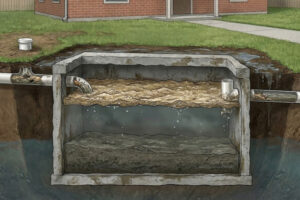
Think of your septic system as a two-step process. The tank separates solids, oils, and liquids, sending only treated wastewater onward. The drain field and soil then take over. If the soil can’t absorb and filter water properly, the entire system can back up or fail.
Here’s why it matters:
- Soil filters contaminants before wastewater touches groundwater.
- It balances holding and releasing, ensuring water doesn’t stagnate or rush away untreated.
- Proper drainage keeps the entire system functioning properly, preventing backups inside and flooding outside.
When the soil is too loose, water escapes untreated. Too tight, and water lingers, clogging the field. In either case, you’ll soon be searching for septic system repair or drain field solutions.
Comparing Soil Types and Drainage for Septic System Health
Different soils drain water at different rates, which directly affects how well your septic system functions. Understanding these characteristics can help you anticipate potential issues and maintain your system effectively.
Soil Type | Drainage Rate | Septic System Effect | Best Practices for Homeowners |
Sandy | Very fast | Water moves too quickly, less natural filtration | Consider larger drain fields or additional filtration |
Loamy | Moderate | Ideal balance of drainage and filtration | Maintain regular inspections to ensure consistency |
Clay | Slow | Water may pool, risk of clogging and backups | Ensure proper grading and monitor moisture levels |
Silty | Moderate-slow | Can retain water, may slow system function | Avoid heavy landscaping near drain field; monitor percolation |
Understanding your soil type and how it interacts with water can help prevent many septic system problems before they occur. Regular inspections, percolation tests, and mindful landscaping all contribute to maintaining a healthy and long-lasting system.
Types of Soil and Their Effects on Septic Systems
Southwest Florida is a patchwork of soil types. According to the top drain field repair specialists in North Cape Coral, understanding how each affects your system reveals why a neighbor’s drain field might thrive while yours struggles to do the same.
Sandy Soil
- Where it’s found: Coastal areas like Captiva and Naples.
- How it behaves: Sandy soil drains fast, sometimes too fast.
- The good news: Little risk of standing water around the drain field.
- The catch: Water moves so quickly that it may bypass natural filtration, allowing contaminants to enter the groundwater.
Clay Soil
- Where it appears: Pockets of inland areas near Bonita Springs and beyond.
- How it behaves: Clay holds water tightly.
- The good news: Excellent filtration, as contaminants take their time breaking down.
- The catch: Water doesn’t drain easily, leading to soggy yards, foul odors, and calls for emergency septic repair.
Loamy Soil
- Where it’s preferred: Residential areas in Lehigh Acres and North Cape Coral often aim for loam-based sites.
- How it behaves: A balance of sand, silt, and clay creates the “sweet spot.”
- The good news: Provides both drainage and filtration—nature’s perfect partner for septic systems.
- The catch: Rare consistency. Even small shifts in composition can affect system health.
How Poor Drainage Impacts Septic System Functionality
Even the most reliable drain field repair contractors in Captiva believe that drainage issues are the silent saboteurs of septic systems. If left unchecked, they can cause a cascade of problems:
- Indoor symptoms: Toilets back up, sinks drain slowly, and pipes gurgle.
- Outdoor warnings: Standing water, soggy lawns, or unusually green patches near the drain field.
- Environmental damage: Untreated wastewater leaches into groundwater, a critical issue in Southwest Florida’s sensitive ecosystems.
- Repair frequency: Many calls for drain field repair in Fort Myers or Naples begin with overlooked drainage problems.
The Importance of Soil Percolation Tests
Installing or repairing a septic system without testing the soil is like building a house without checking the foundation. A soil percolation (perc) test measures how quickly water drains through the ground. These results determine whether the land can handle a septic system and what design is best.
Because soil can vary dramatically, even within a single street, Crews Environmental always conducts percolation tests before professional drain field repairs in San Carlos Park, FL, Lehigh Acres, or the nearby communities. It’s the science behind long-lasting solutions.
Signs of Soil or Drainage Issues in Your Septic System
Your septic system doesn’t fail overnight—it sends signals. Pay attention to these:
- Lush, bright-green grass above the drain field
- Drains that slow down after rainfall
- Strange gurgling noises in plumbing
- Persistent outdoor odors
- Water pooling in unexpected places
According to the leading drain field repair specialists in Naples, ignoring these whispers can lead to major septic system repair expenses. Listening early saves time, money, and stress.
Tips to Safeguard Septic System Performance
Septic systems don’t need to be mysterious. With thoughtful care, you can significantly extend their lifespan.
Action | Impact on Your Septic System |
Schedule inspections regularly | Early detection of soil or drainage issues prevents costly emergencies. |
| Pump tanks on schedule | Stops solids from clogging the drain field, ensuring smooth operation. |
Redirect runoff | Protects your system by keeping excess rainwater from saturating the soil. |
| Use water efficiently | Reduces strain on your system, prolonging its lifespan. |
| Plan landscaping carefully | Prevents roots from intruding and soil from compacting, keeping the drain field healthy. |
Proactive septic system maintenance pays dividends in avoiding costly failures and minimizing disruption to daily life.
A Final Word: Protecting What Lies Beneath
Your septic system’s true strength is buried in plain sight—in the soil that surrounds it. Whether sandy in Captiva, clay-heavy in Bonita Springs, or loamy in Lehigh Acres, your soil tells the story of your septic system’s future. Understanding and respecting these natural conditions is crucial to achieving reliability.
For over 40 years, Crews Environmental has been helping homeowners and businesses in Fort Myers, Cape Coral, San Carlos Park, Naples, and beyond maintain their drain field repairs, which help their septic units run smoothly. From expert inspections and pump-outs to reliable drain field repair in Captiva and neighboring communities, our work reflects both technical expertise and a deep understanding of Southwest Florida’s unique soil and drainage challenges.
Don’t wait for the signs of trouble to surface. Protect what lies beneath with a partner who knows the ground as well as the system.
Call Crews Environmental today at 239-356-1727 to ensure your septic system stays healthy, safe, and worry-free for years to come.