If there is one part of a home people rarely think about, it’s the septic system. As long as the water drains and the toilets flush, most homeowners happily assume all is well underground. But in the quiet spaces beneath the surface, things can go wrong far earlier and far more silently than most imagine. And that is exactly why septic inspections matter.
Across communities like San Carlos Park, Lehigh Acres, Bonita Springs, Fort Myers, North Cape Coral, and the surrounding communities, septic tank pumping service professionals repeatedly find the same truth: by the time a homeowner notices a septic problem, the system has already been struggling for months, sometimes even years.
Inspections catch the things you cannot see, cannot smell, yet certainly cannot predict. And more importantly, they prevent simple issues from turning into emergencies — the kind that involve backups, ruined yards, or a drain field on life support.
Let’s dive into the hidden world of septic tank inspections, the small early warning signs people often miss, and how routine checkups protect your home, your budget, and your peace of mind.
A Clear Look at Why Septic Inspections Matter
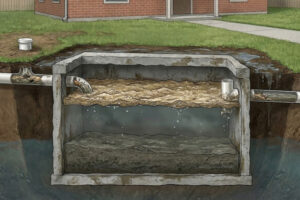
A septic system is more than just a tank. It’s a network — a living, breathing balance of bacteria, soil, and structural components all working quietly in the background. Many homeowners assume the tank is the only part that needs attention, but professionals know it’s merely the “entrance gate” to the entire system.
A proper septic inspection report checks far beyond the lid.
What Inspectors Look at That Most People Never Consider
A trained inspector evaluates the entire environment around the system. A typical septic inspection checklist includes:
- Tank condition and accessibility
- Sludge and scum levels
- Baffles and tees
- Drain field condition
- Water flow patterns
- Presence of leaks
- Condition of inlet and outlet lines
- Soil saturation level
- Pump functionality (if it’s an advanced system)
In areas where homeowners often search for septic tank pumping service in Fort Myers, Lehigh Acres, North Cape Coral, Naples, or the surrounding locations, professionals repeatedly report the same thing: most major failures start with something tiny and completely invisible.
How Inspections Save a Septic System From Long-Term Damage
What inspections really do is buy time. They catch early septic system problems before those problems turn into full-blown failures. An ignored baffle turns into a clogged line. A small crack becomes a structural issue. Slight overuse eventually leads to system overload.
A single septic inspection frequency is not just a preventive step; it is often the difference between a small correction and a costly reconstruction.
The Hidden Issues Professionals Uncover During Routine Septic Visits
Below the surface, things rarely fail all at once. Problems creep in quietly, and only an experienced eye can spot them early.
Drain Field Problems Beginning to Form
Drain field issues are among the most expensive septic repairs, and almost all of them begin long before the homeowner notices anything. During inspections, experts often detect:
- Soil oversaturation
- Reduced percolation
- Sluggish water movement
- Early patches of soggy ground
These subtle indicators form the foundation of drain field inspection findings, which allow homeowners to act early and protect their biggest septic investment.
Solids Sneaking Past the Baffles
The baffles in a septic tank serve as barriers that keep solids in place. When solids slip past them, they end up traveling where they absolutely should not — into outlet pipes or the drain field.
It’s a classic case of a small oversight snowballing into system-wide trouble. This problem frequently appears in routine septic system checkups, especially when tanks haven’t been pumped on time in areas that rely heavily on septic tank pumping service in Fort Myers, Naples, and nearby regions.
Structural Cracks Hidden Inside the Tank
One of the most dangerous structural issues in septic tanks is cracking. Early cracks are tiny — invisible from the surface, and impossible to detect without physically opening and evaluating the tank. These cracks:
- Allow groundwater infiltration
- Lead to tank imbalance
- Reduce holding capacity
- Introduce instability
Undetected, they grow. Detected early, they’re manageable.
Developing Blockages in Inlet or Outlet Lines
Before a septic line clogs completely, it whispers warnings: a slight resistance, a slowing trickle, a faint gurgle. During inspections, professionals check these lines to confirm whether the flow is free and uniform, one of the strongest indicators of septic tank health.
Strange Flow Patterns and Overload Risk
Improper water flow is one of the most underrated septic system early warning signs. Inspectors can tell if your system is handling too much water long before you ever suspect it.
This is especially crucial in multi-bath homes or homes with heavy seasonal usage — common across coastal Florida.
What the Numbers Reveal: Why Most Septic Failures Are Not Sudden
Septic system failures are often described as “unexpected,” but inspection data tells a very different story. According to an official inspection report released by the Environmental Protection Agency (EPA), 56% of septic systems inspected were found to be failing or non-compliant due to construction or maintenance issues — problems that had developed over time, not overnight.
This data reinforces what experienced inspectors see regularly on-site: most septic disasters are not sudden events. They are the result of small, correctable issues that go unnoticed because no one is looking for them.
Regular inspections catch problems way before you’re dealing with sewage backing up into your house, nasty smells in your yard, or soggy patches of grass where they shouldn’t be. Here’s what inspectors typically find and what it actually means for your system.
Common Inspection Findings vs. What They Actually Mean
Inspection Finding | What’s Actually Going On | Why You Should Care |
| Sludge levels higher than recommended | Waste is accumulating faster than the system can break it down | Excess sludge can migrate into outlet pipes, increasing the risk of blockages and drain field damage |
Partially restricted outlet line | Wastewater is not flowing out of the tank as smoothly as designed | Pressure builds inside the tank, significantly increasing the likelihood of backups |
| Early signs of drain field saturation | The surrounding soil is losing its ability to absorb liquid efficiently | Continued saturation can lead to full drain field failure, one of the most expensive septic repairs |
Hairline cracks in the tank | The tank structure is beginning to show stress and deterioration | Small cracks expand over time, allowing wastewater leaks and groundwater intrusion |
| Irregular water flow patterns | The system struggles to handle peak water usage | Ongoing strain accelerates wear and shortens the overall lifespan of the system |
Here’s the thing about all these issues—none of them cause a crisis right away. That’s exactly what makes them so easy to ignore, and so expensive when you finally have to deal with them.
This is why septic inspections are preventive by nature — they turn hidden system stress into visible information, giving homeowners time to act before failure becomes unavoidable.
The Warning Signs Homeowners Rarely Notice
Even the most experienced homeowner may miss the gentle hints their septic system gives them. These signs aren’t dramatic — at least not at first.
Here are the subtle clues worth paying attention to.
- Slow Drains That Don’t Feel Like a Problem (Yet) – A single sink slowing down may not mean much, but a pattern of slow drains across the house is a quiet red flag. This is one of the classic signs of septic system failure beginning to develop.
- Odd, Temporary Odors – Sometimes, homeowners smell a faint musty odor near a bathroom or outdoors after heavy water use. These odors come and go, but they shouldn’t be ignored. They often point to underlying septic system troubleshooting needs.
- Your Yard Tells a Story – Grass that grows greener in one specific patch. Mildly damp soil even during drier days. A slight depression in the ground. These yard clues often reveal more than people assume. According to the leading septic tank pumping service specialists in Naples, the drain field is the heart of the septic system, and the soil above it is the first to react when it’s stressed.
How Professional Inspections Stop Serious Septic Emergencies
No homeowner wants to face a backup. No one wants their yard dug up. And no one wants to pay for repairs that could have been prevented.
That is precisely what expert inspections protect you from.
1. Spotting Issues Before Toilets Back Up – Even the earliest backup risks show up during inspections, usually in the form of rising sludge levels or sluggish line movement. Professionals stop the problem before it reaches your bathroom.
2. Guarding the Drain Field From Premature Failure – A failing drain field is a financial and emotional nightmare. But inspections can catch:
- Soil saturation
- Overloading
- Improper flow patterns
- Clues hidden deep below the surface
This saves homeowners from costly restoration.
3. Extending Your Septic System’s Overall Lifespan – Every septic system has a natural lifespan. But how long it lasts depends on how quickly small issues are corrected. Routine inspections = slow aging + fewer breakdowns + maximum system longevity.
What Actually Happens During a Proper Septic Inspection
Most homeowners are surprised by how detailed an inspection truly is.
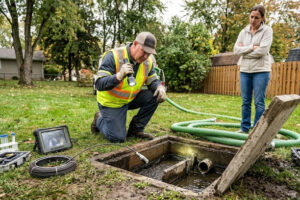
- Opening and Assessing the Tank – The process begins by locating, uncovering, and safely opening the tank. This alone helps inspectors detect issues with accessibility, lid condition, and structural elements.
- Measuring Sludge and Scum — The Essentials – Every system has a natural buildup of sludge and scum. But levels that are too high can overwhelm baffles and lines. Measurement helps decide if pumping is necessary, especially for those relying on septic system service in areas like Fort Myers or Lehigh Acres.
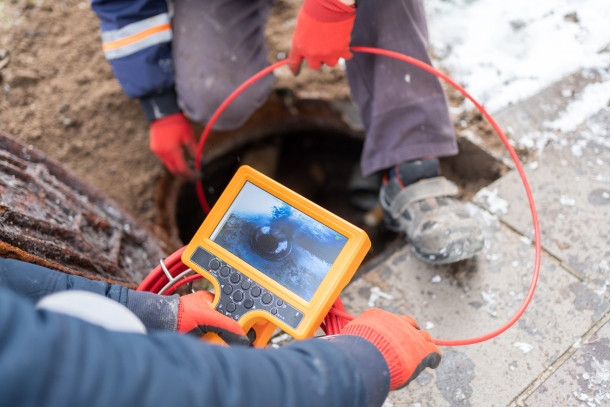
- Using Camera or Line Checks When Needed – In more complex cases, inspectors guide cameras through lines to identify blockages, cracks, or irregular flow. This is where many hidden septic system issues finally come to light.
How Often Homeowners Should Schedule Their Inspections
Most experts recommend an inspection every 1–3 years. But frequency changes depending on:
- Household size
- Water usage levels
- System age
- Drain field condition
- Local soil type
In fast-growing regions like Fort Myers, Lehigh Acres, and Naples, where homes rely heavily on septic systems, more frequent inspections and pumping sessions can save thousands in long-term repairs.
A Final Word Before You Close This Tab
A septic system rarely shouts for help — it whispers. And inspections are the only way to hear those whispers before they turn into emergencies. If you’re a homeowner in San Carlos Park, Lehigh Acres, Bonita Springs, Fort Myers, North Cape Coral, Captiva, Naples, or anywhere nearby, getting your septic system checked regularly and investing in professional septic tank pumping service when needed is honestly one of the smartest things you can do for your home.
Crews Environmental has been doing this work for decades—septic pumping, inspections, repairs, drain field maintenance, grease traps, you name it. We’ve built a solid reputation around here because we actually care about doing things right. We show up when we say we will, we’re thorough, and we think about keeping your system running well for the long haul, not just fixing whatever’s wrong today.
Nobody wants a small septic problem turning into a massive (and expensive) headache down the road. If you’d rather catch issues early and avoid the stress, give Crews Environmental a call at 239-299-8604. Your home deserves that kind of protection.