Introduction
The average septic system is built to last 25-30 years, yet most fail before they hit 15. It’s not bad luck or poor installation; it’s the small, seemingly harmless decisions homeowners make every single day. Flushing the wrong items, skipping a pump-out because everything “seems fine,” or ignoring that faint odor in the backyard. These septic maintenance mistakes don’t just inconvenience you; they silently destroy your system from the inside out, costing you thousands in premature repairs or replacement. At Crews Environmental, we’ve witnessed this pattern for 40 years across Southwest Florida, and we’re here to help you break it.
This blog covers the most damaging septic system maintenance errors that cut your septic system’s lifespan short. You’ll learn what actually harms your system, how to spot trouble early, and the simple practices that keep everything running smoothly.
Skipping Routine Septic Inspections
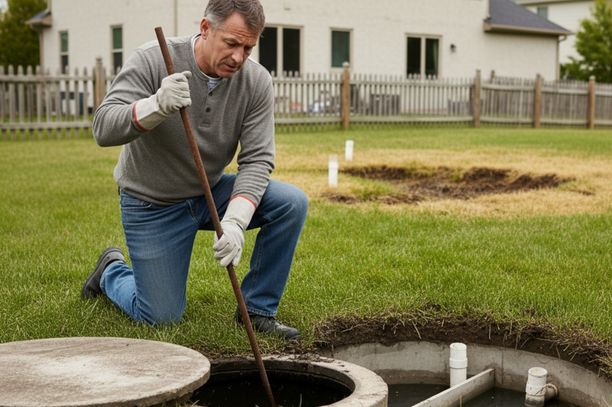
Most homeowners operate under a dangerous assumption—if nothing’s backing up, everything must be fine. But underground, your tank could be cracking, baffles could be deteriorating, and sludge levels could be dangerously high. You won’t know until raw sewage appears in your yard.
Professional septic maintenance includes inspections every three years minimum. During these checks, technicians measure sludge layers, examine tank integrity, test components in aerobic systems, and assess drain field health. Without regular inspections, you miss critical signs: a failing baffle that’s about to let solids flood your drain field, a crack that’s slowly leaking contaminated water, or filter buildup forcing your system to work twice as hard.
At Crews Environmental, our inspection services in Fort Myers, Naples, Lehigh Acres, Bonita Springs, San Carlos Park, FL, North Cape Coral, and Captiva reveal exactly what’s happening below ground so you can fix small problems before they become disasters.
Reality Check: The cost of one inspection could prevent a drain field replacement that costs 50 times more. Yet 7 out of 10 homeowners never schedule one until they’re facing an emergency.
Delaying Septic Tank Pumping
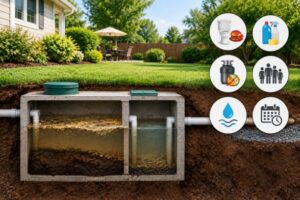
Your septic tank isn’t a bottomless pit. Solid waste accumulates as sludge on the bottom, lighter materials form scum on top, and the liquid zone in between is where bacterial treatment happens. When you delay pumping, these layers grow until solids escape into your drain field, and that’s when your septic system’s lifespan takes a nosedive.
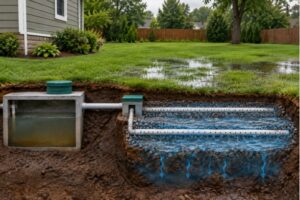
The EPA recommends pumping every 3-5 years, but your actual needs depend on household size, tank capacity, and water usage. Here’s what happens when you wait too long: solids enter your drain field and clog the soil pores that filter wastewater. Once this happens, no amount of pumping fixes it. You’re looking at drain field repair—one of the most expensive septic system failure causes you can face.
Warning Sign | What It Means |
| Slow drains throughout the house | The tank is full, or the drain field is saturated |
Sewage odors in the yard | Effluent surfacing due to system overload |
| Lush grass patches over the drain field | Wastewater fertilizes grass instead of absorbing |
We recommend pumping every two to three years for most homes in Southwest Florida. This frequency prevents solids from reaching your drain field and gives our technicians regular chances to inspect your tank’s condition. Septic tank upkeep isn’t optional—the minor cost of regular pumping prevents catastrophic drain field failure.
Misusing Water and Overloading the System
Think about pouring a gallon of water through a coffee filter in ten seconds. It overflows, right? Your septic system works the same way; flood it with too much water too fast, and it can’t properly treat anything.
Every septic system has a designed daily capacity. When you exceed it by doing five loads of laundry in one afternoon or running showers back-to-back, your tank doesn’t have time to separate solids from liquids. Partially treated wastewater gets pushed straight into your drain field, gradually destroying its ability to function.
Common overload errors:
- Putting all of your laundry on one day instead of spreading it out over the week
- Not fixing leaks in toilets (one leak wastes 200 gallons a day)
- Long showers at busy times
- Routing gutters or the water softener’s discharge into the septic system
Fix leaks right away, spread out tasks that use a lot of water, and put in low-flow fixtures. These easy changes will increase your septic system’s lifespan and keep you from having to deal with emergency septic issues.
Disposing of Harmful Materials Down the Drain
Your septic tank needs good bacteria to break down waste. You are ruining the whole process when you flush things that don’t break down or drain chemicals that kill these bacteria.
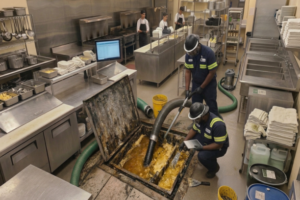
We’ve seen clogged septic tanks filled with baby wipes, paper towels, feminine products, and cat litter; none of which belong there. These materials don’t break down. They accumulate, reduce tank capacity, and eventually cause backups.
- Never flush: baby wipes (even “flushable” ones), paper towels, feminine hygiene products, diapers, dental floss, cigarette butts, medications, or cat litter.
- Never drain: cooking grease, paint, motor oil, harsh chemical cleaners, antibacterial soaps in excess, pesticides, or petroleum products.
Cooking grease solidifies in pipes and forms a layer in your tank that interferes with normal treatment. Pour grease into a container and trash it; never down the drain. Chemical drain cleaners kill the beneficial bacteria your system needs for proper septic system care.
Proper septic system upkeep means one simple rule: only human waste and toilet paper go down your toilets. Everything else belongs in the trash. This helps in septic backup prevention and keeps your system functioning efficiently.
The 2-Second Rule: If you have to think twice about whether something belongs down your drain, it doesn’t. When in doubt, throw it out.
Ignoring Early Warning Signs
Your septic system sends distress signals weeks or months before complete failure. The problem? Most homeowners ignore these warnings until they’re wading through sewage.
Critical warning signs:
- Slow drains in multiple fixtures (not just one)
- Gurgling noises from toilets or drains
- Sewage odors inside your home or yard
- Standing water or soggy ground near the drain field
- Unusually green grass over the drain field during dry weather
- Sewage backup in toilets or tubs
When you spot any of these, call immediately. Don’t wait to see if it resolves on its own; it won’t. These symptoms indicate your system is failing, and every day you delay makes repairs more expensive. Sometimes the fix is straightforward; you need pumping or a simple component replacement. Other times, more serious issues require septic system repair services. Our team at Crews Environmental has 40 years of experience diagnosing every imaginable septic problem across Fort Myers, Naples, Bonita Springs, Lehigh Acres, San Carlos Park, FL, North Cape Coral, and Captiva. Professional septic maintenance means getting expert eyes on your system before small issues become catastrophic.
Taking Control of Your System’s Future
Septic maintenance mistakes happen gradually. You skip one inspection because money’s tight. You delay pumping because everything seems fine. You flush a few wipes here and there. You may think that every choice you make is small, but they add up over time and slowly break down your system’s ability to work. People who own homes and check their systems regularly, pump them regularly, use water wisely, throw away trash correctly, and respond quickly to warning signs can expect their systems to last 25 to 30 years. People who don’t take care of these basics will have problems sooner and have to pay a lot of money to fix them.
For 40 years, Crews Environmental has been helping homeowners in Southwest Florida protect their septic investments by providing expert septic tank maintenance and preventative septic care. We provide a full range of septic services, such as inspections, pump-outs, repairs, installations, and emergency response 24 hours a day. Whether you need routine long-term septic maintenance or immediate help with sewage odors in your yard and backups, our certified team serves Fort Myers, Naples, Bonita Springs, Lehigh Acres, San Carlos Park, FL, North Cape Coral, and Captiva.
Don’t wait until you’re facing an emergency to take septic system care seriously. Schedule your inspection and pumping today. Call Crews Environmental at 239-299-8604 or visit crewsenvironmental.com. Your system works hard for you every single day—give it the attention it deserves.