
The drain field—or leach field—is the unsung hero of your septic system. While the septic tank is all that usually gets noticed, it’s the drain field that does the critical work of filtering wastewater safely back into the environment. Knowing its location and approximate length is essential for homeowners in San Carlos Park, FL, Lehigh Acres, Bonita Springs, Fort Myers, North Cape Coral, Captiva, Naples, and neighboring areas, especially when issues arise that may require drain field repair, a common need in areas with residential septic systems.
Let’s dive into why and how you should locate your septic drain field and understand its layout—for good.
The Benefits of Knowing Your Leach Field’s Location and Length
A leach field is not just a patch of soil—it’s a well-engineered system with specific requirements. Here’s why knowing exactly where it is can save you time, money, and stress.
1. Protecting the System from Accidental Damage
Heavy vehicles, machinery, or even lost landscape elements, like patios, can severely harm a buried drain field. Identifying its location prevents accidental damage that would lead to costly drain field repairs in Bonita Springs, Fort Myers, and surrounding localities.
2. Smart Landscaping Decisions
Don’t plant deep-rooted shrubs or trees close to the leach field. Their roots will get inside pipes and cause clogs and system collapse. Rule of thumb: use a shallow-rooted ground cover over your drain field—and only after you’re sure of the boundaries.
3. Easier Troubleshooting When Problems Arise
Drainage issues, foul odors, or lush patches of grass may indicate septic system drain field problems. If you are familiar with the field’s layout, you can better identify the location of a problem, which aids in a faster resolution. Common drain field failure signs include:
| Symptom | Possible Cause |
| Wet spots in the yard | Saturated soil or broken lines |
| Unpleasant smells outdoors | Wastewater surfacing |
| Lush, green patches of grass | Effluent leaking from pipes |
4. Smooth Property Transfers
Selling your home? You’ll need to disclose the septic system details, including the location of the leach field. Providing documentation shows diligence and can streamline real estate transactions.
5. Routine Maintenance and Inspection of Access
Septic systems benefit from regular care. During a drain field inspection, professionals need to access the leach field. Accurate location data allows them to work quickly and without guesswork.
6. Staying Compliant with Local Regulations
In counties like Lee and Collier, regulations can be strict. Top drain field repair specialists in Lehigh Acres recommend that knowing your system’s dimensions is crucial, as it ensures you meet spacing and setback requirements, particularly when renovations or new construction are involved.
Getting Started: Where to Find Existing Drain Field Info
Before you head to the yard with a shovel, start with the paper trail.
1. Property Records or Deeds
Check your property’s deed or any building permits. Leading drain field inspection and repair experts in Naples reveal that some include the original septic layout, especially if the home was built in the last few decades.
2. County Health Department Records
Contact your county’s health department (Lee County for San Carlos Park and Fort Myers, Collier for Naples). They may have system diagrams on file.
3. Previous Owners
According to the most credible septic tank system service specialists in San Carlos Park, FL, if you’re not the first owner, reaching out to previous homeowners could provide direct insight—and maybe even maps or notes.
4. Septic Installation or Maintenance Company
If Crews Environmental or another provider has serviced your system in the past, they may have detailed records of the septic layout.
Spotting Surface Clues on Your Property
If the documents fall short, your next step is to conduct a visual observation. Your lawn may hold subtle hints of the underground system.
1. Slight Depressions or Mounded Areas
Top drain field repair and inspection experts in Captiva reveal that leach field trenches can settle over time, creating shallow dips in the yard. Alternatively, newer systems may be slightly raised.
2. Lush Vegetation or Greener Grass
The effluent contains nutrients, such as nitrogen, that stimulate plant growth. If a patch of grass is thriving more than the rest, it may be over your leach field.
3. Sparse or Stunted Growth
Some plants struggle to drain fields due to compacted soil or water saturation. According to the most popular drain field repair contractors in Bonita Springs, if you notice a strip of weak grass amid healthy turf, take note of it.
4. Access Lids or Ports
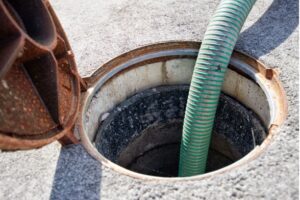
These are typically 4-6 inches in diameter and located above the septic tank; however, access points may also be found near the drain field for maintenance purposes.
Tools and Techniques for Location Confirmation
1. Soil Probe
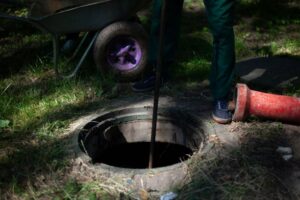
Use a long metal probe to test the soil in potential areas of interest. According to the leading drain field inspection and repair experts in Fort Myers, the presence of gravel or sand layers typically indicates the likely location of a drain field trench. Probe depth should be gentle to avoid puncturing any components.
2. Observation After Heavy Rain
After a storm, walk your property and look for pooling water or muddy spots that linger longer than surrounding areas. These could mark the edges of the drain field.
High-Tech Methods: When to Bring in the Pros
If you’re still uncertain—or want confirmation without risk—specialized services are available to help.
1. Professional Septic Locating
Companies like Crews Environmental offer professional locating services. Our team of drain field inspection and repair contractors in Naples, San Carlos Park, FL, Fort Myers, and surrounding locations utilizes tools such as tracer wires and pipe locators to map out your drain field without disturbing the surrounding soil.
2. Camera Inspections
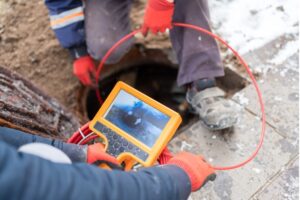
This involves running a camera through the pipes of your septic system to trace its underground route. Ideal if you suspect septic drain field problems.
3. Ground-penetrating radar (GPR)
According to the top drain field repair experts in Captiva, GPR uses radar pulses to detect subsurface structures. It’s particularly useful in built-up or densely landscaped areas where surface clues aren’t visible.
Estimating the Length of the Drain Field
Though no two septic systems are identical, here are average drain field lengths based on household size and soil permeability:
| Number of Bedrooms | Estimated Drain Field Length |
| 2 Bedrooms | 200 – 300 feet |
| 3 Bedrooms | 300 – 450 feet |
| 4 Bedrooms | 400 – 600 feet |
Soil type matters too—sandier soils allow for shorter fields, while clay-heavy soils may require longer ones.
Mapping and Recording Your Drain Field
Once located, don’t leave it undocumented. Sketch a diagram showing distances from fixed landmarks like your home’s foundation, driveway, or fence lines.
Save this with your property files, and share it with your septic service provider during inspections or leach field repair services.
A Quick Word on Safety and Smart Practices
Before we wrap up, here are some essential precautions:
1. Don’t dig mindlessly:
You risk damaging pipes and creating contamination.
2. Avoid pressure:
No vehicles, patios, or playsets should be placed above the drain field.
3. Watch water usage:
Excess water can overload your system.
4. Skip harsh chemicals:
Household cleaners can disrupt the bacteria essential for treatment.
And remember, early detection is your best defense against failing drain field symptoms.
When In Doubt, Trust the Local Experts
In regions like San Carlos Park, FL, Lehigh Acres, North Cape Coral, Captiva, and neighboring communities, septic systems, and leach fields are more than just a hidden utility—they’re an essential part of maintaining a safe and sustainable home environment. The unique coastal soil conditions and climate of Southwest Florida demand a higher level of attention when it comes to managing drain field health.
That’s where the experience of Crews Environmental truly makes a difference. With a reputation built on precision, professionalism, and deep regional knowledge, Crews Environmental offers comprehensive support for homeowners seeking to locate, inspect, or restore their leach fields. Our licensed team understands the signs of septic drain field problems and brings tailored solutions to even the most complex situations—whether it’s subtle symptoms of a failing system or the need for timely compliance with local regulations.
From addressing early signs of septic system drain field issues to offering trusted drain field repair services in areas such as Bonita Springs, Fort Myers, Naples, and nearby localities, Crews Environmental is the go-to provider for homeowners seeking lasting results—not temporary fixes.
Secure Your Septic System for the Future
Knowledge is the first line of defense against septic system issues and drain field failure. By pinpointing your drain field’s location and understanding its function, you’re setting yourself up for a healthier home, fewer emergency calls, and more informed property decisions.
Need help locating or evaluating your system? Crews Environmental is here to help you protect what matters most—your home, your land, and your peace of mind.
Schedule your professional drain field inspection or repair in Bonita Springs, Lehigh Acres, Fort Myers, North Cape Coral, San Carlos Park, FL, Naples, Captiva, and surrounding areas today with Crews Environmental. Because when it comes to your septic system, knowing is everything. Contact us at 239-332-1986 to schedule an appointment with our team today.