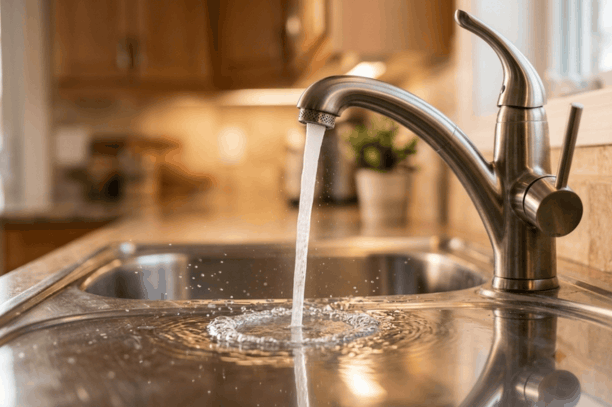
Choosing water-saving fixtures is one of the easiest upgrades a homeowner can make, but when your home runs on a septic system, the decision deserves a little more thought. Less water leaving your pipes usually means less strain on the tank and healthier septic system operation. The full picture also includes a few considerations, especially when flow becomes very low or household habits stay the same.
A single running toilet, for example, can add as much as 200 gallons a day to the system, according to the EPA. For homeowners in Fort Myers, Lehigh Acres, Bonita Springs, Naples, and nearby communities, seasonal downpours and a high water table make that balance even more important.
In this blog post, we explain how fixtures affect your septic system, whether low flow can cause trouble, and how to conserve water without neglecting maintenance.
What Are Water-Saving Fixtures?
Low-flow fixtures and similar products do the same everyday jobs as older models while using less water. The most common options are shown below.
| Fixture or appliance | How it saves water | Worth knowing |
| Low-flow toilets | Use less water with each flush | Choose one that clears the bowl in a single flush |
| Low-flow showerheads | Restrict the flow during showers | Look for a spray that still feels comfortable |
| Faucet aerators | Mix air into the stream | Work at both kitchen and bathroom sinks |
| Water-efficient appliances | Washers and dishwashers use less water per cycle | Match the load size to the cycle |
The EPA’s WaterSense program labels products that meet its efficiency and performance standards.
Quick tip: Check a fixture’s performance and compatibility with your plumbing before you replace anything.
How Does a Septic System Depend on Household Water Usage?
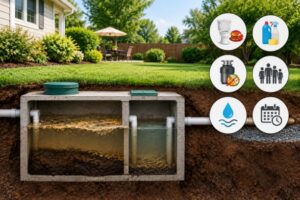
Every drop of household water usage eventually becomes septic tank wastewater. The journey is short:
- Water from toilets, showers, sinks, and appliances creates the wastewater flow to the septic tank.
- Inside the tank, solids settle, grease floats, and the liquid between them moves on.
- The drain field and surrounding soil complete the treatment.
The tank needs time to let solids settle so that a sudden surge can push suspended particles toward the drain field. The EPA warns that washing all of a household’s laundry in one day can leave the tank too little time to treat waste and could flood the drain field.
Benefits of Water-Saving Fixtures for Septic Systems
Reducing unnecessary water use is one of the simplest ways to support the system, and the benefits reach beyond the tank.
1. They reduce the volume of wastewater entering the tank
Every gallon saved at a fixture is a gallon the tank never has to handle. The EPA reports that toilets account for 25 to 30 percent of household water use, and that older models use 3.5 to 5 gallons per flush compared with 1.6 gallons or less for newer ones.
2. They help reduce pressure on the drain field
The drain field can absorb only so much liquid at a time. Efficient fixtures, prompt leak repairs, and staggered laundry reduce how much reaches it, which leaves the soil better prepared to treat what does arrive.
3. They can lower household water costs
Using less water often lowers the water bill, although the savings depend on the fixtures installed, the size of the household, local rates, and daily habits.
4. They support responsible water conservation
The Florida Department of Health reports that septic systems serve about 30% of Floridians and that groundwater supplies 90% of the state’s drinking water. That is why water conservation and septic systems belong in the same conversation, but conservation cannot replace routine septic tank pumping and inspection.
Can Using Too Little Water Affect a Septic System?
Conventional septic systems are built to treat normal household flow, and nothing suggests homeowners must run extra water to keep them healthy. Trouble is far more likely to come from how the water arrives than from how little is used. If drainage changes after a fixture upgrade, a blocked pipe, a full tank, or a drain field issue is often the real explanation.
| Water habit | Effect on the system |
| Steady, moderate use through the day | Gives the tank time to separate solids |
| Trimming waste and fixing leaks | Lowers total flow without harming treatment |
| Several laundry loads, long showers, and dishwasher cycles at once | Creates a surge that can carry solids toward the field |
| Persistent slow drains after a fixture change | Deserves an inspection instead of an assumption |
Do Low-Flow Toilets Cause Septic Problems?
Properly selected and working low-flow toilets are generally compatible with conventional septic systems. They cut down on the water entering the tank without getting in the way of normal treatment. Flushing performance matters more than the number printed on the box, so when you shop for water-efficient toilets, look for these qualities:
- A model that clears the bowl in a single flush, so nobody has to flush twice.
- A proper installation, since a poorly seated toilet can act up no matter how efficient it is.
- A plan for repeat clogs, which should be looked into rather than put down to low water volume.
Even the best low-flow toilet will not clear a blocked pipe or stand in for a tank that is overdue for attention. If several fixtures drain slowly or sewage starts backing up, the cause is probably somewhere else in the system.
How Water-Saving Fixtures Affect the Septic Drain Field
When the drain field receives more than the soil can absorb, wastewater may collect near the surface. That can lead to septic system problems such as saturated ground, odors, and wet patches. Efficient fixtures help, but rainfall, groundwater levels, system age, and maintenance history also shape performance. After heavy rain in Southwest Florida, saturated soil absorbs even less.
| What you notice | What it may mean |
| Soft or wet ground above the field | Excess moisture or a drainage issue |
| Sewage odors outdoors | A treatment or disposal problem |
| Several slow drains | A blockage, a full tank, or a wider system issue |
| Sewage backing up indoors | An urgent septic or plumbing problem |
No single sign confirms failure, but two or more appearing together call for prompt attention. Keep people and pets away from standing wastewater, and keep vehicles off the field.
How to Use Water-Efficient Fixtures With a Septic System
Installing water-efficient fixtures is only the first step. Daily habits decide how much benefit they deliver.
- Choose efficient fixtures that perform properly.
Pick models that save water without weak flushes, constant clogs, or repeat use that cancels out the savings.
- Fix leaks promptly
A toilet that refills on its own can waste up to 200 gallons a day, according to the EPA. Listen for it and repair the faulty part quickly.
- Spread laundry loads across the week.
The EPA advises spreading washing machine use through the week and matching the load size to the cycle, or running only full loads when the machine has no size setting.
- Avoid running several water-intensive appliances together.
Staggering long showers, dishwasher cycles, and laundry keeps septic wastewater flow steady instead of sudden.
- Watch for changes in performance.
After an upgrade, notice whether toilets flush well and drains run freely. Persistent slowness deserves an inspection, not guesswork.
Other Ways to Reduce Water Usage Around a Septic System
You do not need to replace every fixture to lower septic tank water usage. This checklist is worth saving:
- Repair dripping faucets and running toilets right away.
- Keep showers short, and turn off taps you are not using.
- Run washers and dishwashers with full or properly sized loads.
- Spread laundry across the week.
- Flush only toilet paper and human waste.
- Direct roof drainage and rainwater away from the drain field.
- Keep vehicles and heavy equipment off the drain field.
The EPA notes that ENERGY STAR clothes washers use 50 percent less water than standard models, which is one reason water-efficient appliances make a real difference to septic system water usage.
When Should You Have Your Septic System Inspected?
Conservation reduces strain, but it does not remove the need for professional attention. The EPA’s guidance offers a useful baseline.
| Task | EPA guidance |
| Inspection of an average household system | At least every 3 years |
| Septic tank pumping | Typically every 3 to 5 years |
| Systems with pumps or mechanical parts | Generally once a year |
| Factors that change the pumping schedule | Household size, wastewater volume, solids, and tank size |
Book a septic inspection sooner if you notice slow drains in several fixtures, gurgling pipes, sewage odors, wet patches over the field, or wastewater backing up. A Crews Environmental technician assesses the system on site and provides a maintenance schedule based on your actual conditions, which is the most dependable way to plan septic system service for your property.
Make Every Gallon Count Without Neglecting Your Septic System
Water-saving fixtures, steady habits, and timely maintenance work best as a team, and together they take real pressure off the tank and drain field.
For homeowners in Bonita Springs, Captiva, Fort Myers, Lehigh Acres, Naples, North Cape Coral, and San Carlos Park, Crews Environmental, a family-owned company serving Southwest Florida since 1982, provides inspections, septic tank pumping, maintenance, repairs, drain field repair, and 24-hour emergency service. Call 239-332-1986 to arrange the right septic system service for your home.