There is no middle ground when it comes to septic systems: they either work for you or they quietly fail against you. Every time you flush the toilet wrong, skip a pump-out, or pour harsh chemicals down the drain, you damage a system that, once it reaches the point of no return, needs more than just a repair. Septic system maintenance mistakes are not dramatic events; they are quiet, everyday habits that compound into catastrophic outcomes.
At Crews Environmental, with 40 years of experience in septic system repair and septic system care across Southwest Florida, we’ve seen exactly what habits that ruin septic systems look like, and how completely avoidable they always are.
This blog breaks down the nine most destructive habits that ruin septic systems, what actually happens when you make these mistakes, and the septic tank maintenance tips Florida homeowners need to protect their investment for decades.
MISTAKE #1: Skipping Regular Pumping Schedules
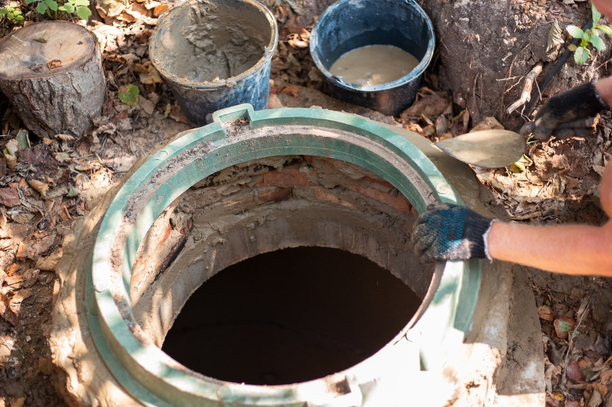
Skipping pump-outs is the single most common trigger among all septic system failure causes, and it’s entirely preventable.
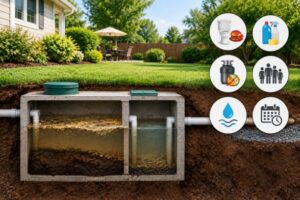
There are three layers in your septic tank: sludge at the bottom, scum at the top, and treated liquid (effluent) in the middle that flows into the drain field. While septic tank bacteria constantly break down organic matter, sludge still builds up over time. When it isn’t removed, septic tank sludge buildup overflows into the drain field pipes, blocking them, and what started as a pump-out issue becomes a drain field repair issue.
MISTAKE #2: Flushing the Wrong Things
There’s a widespread misconception that modern plumbing can handle anything you send down it. It can’t, and your septic tank pays the price. Wipes marketed as “flushable” are among the worst offenders; they hold their structure far too long for a septic environment to process, making them a leading septic system backup cause.
Never flush or drain:
- “Flushable” wipes, paper towels, feminine hygiene products
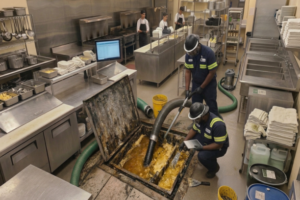
- Medications, grease, cooking oils, and food solids
- Cat litter and cigarette butts
MISTAKE #3: Pouring Harmful Chemicals Down the Drain
Your tank is a living biological system. Septic tank bacteria make wastewater treatment possible by breaking down solids and keeping the effluent clean enough to safely pass through the soil. Chemicals bad for septic systems, like bleach in large amounts, drain cleaners, paint, and pesticides, kill the microbial ecosystem without making a sound. The bacterial die-off happens gradually, solids stop breaking down, and septic tank sludge buildup accelerates before you notice a single symptom. This is one of the poor septic maintenance effects that homeowners rarely connect back to their cleaning habits until serious damage has already occurred.
A septic system doesn’t break down all at once. It’s worn down by each choice: one missed pump-out, one wrong flush, and one too many chemicals. If you don’t fix your mistakes today, you’ll have to pay for them tomorrow.
MISTAKE #4: Ignoring Warning Signs
A failing system signals repeatedly before it collapses. When you ignore those signs, small septic system problems turn into big ones.
Act immediately on these septic system warning signs:
- Slow drains throughout the entire house, not just one fixture
- Gurgling sounds from toilets and drains after flushing
- Persistent sewage odors inside or near the yard
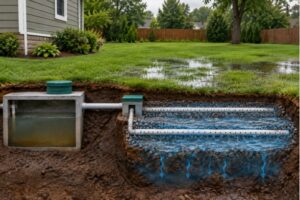
- Wet, spongy soil or standing water above the drain field
- Unusually lush, fast-growing grass directly over the tank or drain field
- Septic backup surfacing in sinks, tubs, or toilets
These are signs of septic system damage that demand a licensed septic inspection, not a wait-and-see approach.
MISTAKE #5: Overloading the System With Water
Water overload is one of the most overlooked septic system maintenance mistakes in Florida households. When more water enters the tank, solids are pushed into the drain field before they have time to settle. This damage builds up over time and drives septic system lifespan reduction.
The tank doesn’t have enough time to process waste properly if you do laundry, run the dishwasher, and take two showers in a row on the same day. Spacing water use across the week and fixing leaking toilets or faucets are among the most effective routine septic maintenance tips available to any homeowner.
MISTAKE #6: Planting Trees or Parking Near the Drain Field
The drain field is the most vulnerable part of your onsite sewage treatment process, and it faces two threats that most homeowners don’t think about.
Tree roots actively seek moisture. Deep-rooted species planted near the drain field will invade pipes and crack them from within, one of the most severe drain field damage causes we encounter. Bamboo, pampas grass, and any large-rooted trees are a serious risk to septic system health.
Vehicle traffic is just as destructive. Driving or parking over the drain field compresses the soil, changes how easily water can pass through it, and eventually stops effluent from filtering properly. This makes drain field repair or full replacement unavoidable.
MISTAKE #7: Using Too Many Septic Additives
There are a lot of septic additives on the market that claim to “restore balance” or “boost bacteria.” Most are unnecessary. Florida regulations don’t require their use, and most experts agree that they aren’t a good replacement for regular pump-outs. A healthy system already has the septic tank bacteria it needs. Overusing additives disrupts that ecosystem rather than supporting it; don’t substitute products for proper septic system care.
MISTAKE #8: Neglecting the Drain Field
Septic tank neglect issues rarely stop at the tank. When solids that haven’t broken down properly reach the drain field, the result is soggy soil, standing water, and sewage odors. More importantly, a broken drain field can let untreated waste seep into nearby soil and groundwater, which is a health risk as well as a property damage risk. Routine septic inspection is the only reliable way to monitor drain field health before visible symptoms appear. This is what preventing septic system failure actually looks like in practice.
MISTAKE #9: Not Knowing Where Your System Is
This is the septic tank care tip most homeowners never receive, and one of the most consequential gaps. If you don’t know where your tank and drain field are located, you cannot protect them. When you do landscaping or construction work, you might accidentally damage buried components. In an emergency, contractors waste valuable time finding the system. Request your system’s permit and as-built drawings from your county health department, and mark the location on your property. This single step costs nothing and could prevent an emergency excavation.
Your Septic System Won’t Wait, And Neither Should You
Every mistake in this list follows the same pattern: it starts small, stays invisible, and ends expensively. Common septic system mistakes, like not pumping out the system, ignoring warning signs, chemical damage, and neglecting the drain field, don’t just shorten the system’s life; they speed it up toward a failure point that usually needs a full replacement. Understanding how to maintain a septic system correctly and acting on that knowledge consistently is the most reliable way to protect one of your home’s most critical components. Every septic system maintenance mistake covered here is preventable, without exception.
Crews Environmental has been delivering complete septic pumping Southwest Florida homeowners trust for 40 years. Serving San Carlos Park, FL, Lehigh Acres, Bonita Springs, Fort Myers, North Cape Coral, Captiva, and Naples, our team handles everything from septic inspection and routine pump-outs to drain field repair, with transparent pricing and a genuine commitment to septic system health. We are certified to service conventional systems, Aerobic Treatment Units (ATUs), and Performance Based Treatment Systems (PBTS) licensed in Florida.
Don’t wait for a backup to tell you there’s a problem. Call Crews Environmental today at 239-299-8604, available 24 hours a day, 365 days a year.
FAQs
1. How often should a septic tank be pumped in Florida?
Every 2 to 3 years for most households, though the right frequency depends on tank size, household size, and water usage. A licensed septic inspection is the best way to determine the correct interval for your specific system.
2. What are the signs of a failing septic system?
Slow drains across multiple fixtures, gurgling pipes, sewage odors indoors or near the yard, wet patches over the drain field, and septic backup inside the home are all septic system warning signs that require immediate professional attention.
3. What should you never put in a septic system?
Wipes, even those labeled “flushable”, paper towels, feminine hygiene products, medications, grease, and chemicals bad for septic systems such as drain cleaners and large quantities of bleach. These are among the most direct septic system failure causes tied to household habits.
4. Can heavy rain damage a septic system?
Yes, Florida’s wet season is a real danger to drain fields. When soil is saturated, it can’t absorb effluent properly, which leads to septic backup and surfacing wastewater. Reducing water use during and after heavy storms significantly lowers this risk.
5. How long do septic systems last in Southwest Florida?
A properly maintained system can last 25 to 40 years. However, septic system lifespan reduction happens rapidly when septic system care is ignored. Consistent routine septic maintenance tips and regular professional inspections remain the most effective strategy for preventing septic system failure.