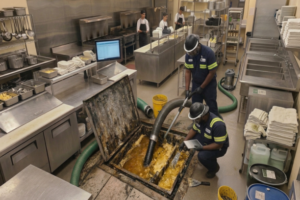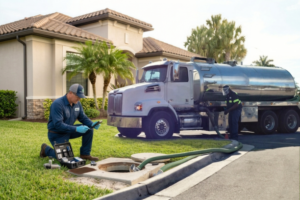

It is 9 PM on a Friday. Your toilet gurgles, your shower drain rises, and then the smell hits you. It’s thick, unmistakable, and wrong. A septic system emergency handled within the first 30 minutes costs a fraction of what the same emergency costs after 24 hours of inaction. Every time you flush after the warning signs show up, more raw sewage gets pushed deeper into your home and the drain field. Once that damage gets worse, no pump-out can fix it.
This guide walks you through the exact septic emergency steps, minute by minute, so you protect your family, your property, and your finances before our team arrives.
How to Recognize the Signs of a Septic System Emergency
Not every issue with a septic system is an emergency. The first and most important skill is to know the difference.
Call for Emergency Service NOW | Can Wait Until Business Hours |
| Sewage backup in house, sinks, toilets, showers | Single slow-draining fixture |
Raw sewage backup surfacing in the yard | Mild odor near the tank outside |
| Strong sewage odor inside the home | Slightly soft ground near drain field |
Multiple drains failing simultaneously | Occasional gurgling from one drain |
If you are checking two or more boxes on the left, this is a live septic tank emergency Florida situation. Stop reading and do something.
Minute 0–5: Stop All Water Use Immediately
This is the single most important action you will take. When the septic backs up, every flush and every running faucet forces more volume into a system that has already run out of room. That extra water goes back through your lowest drains and across your floors.
Shut down in this order: stop all toilet flushing, turn off every running faucet, pause the dishwasher and washing machine mid-cycle, and alert every person in the home. The worst thing homeowners can do is keep using water while they wait for help. Even a brief window of continued use during active septic system failure symptoms can be the difference between a pump-out and a collapsed drain field.
Minute 5–10: Assess Safely and Know What You Are Looking At
When you stop using water, take a quiet, careful look at everything inside and outside.
Inside the Home
Take note of which drains are affected and if you can see sewage in the toilet bowls or floor drains. Check for soft floors or stains on the walls that are caused by moisture. This means that the backup has already reached the structure of your home.
Outside the Home
If the ground is dry, look for a soggy, sunken patch above the drain field. This is a sign that the ground is wet for no good reason. Check for wastewater backup surfacing at ground level and any unusually lush or green grass concentrated in one area.
What your observations tell a technician:
What You See | What It Likely Indicates |
| All drains backing up at once | Full tank or blocked septic baffle |
Sewage surfacing in the yard | Active drain field failure |
| Backup in lowest drain only | Pipe blockage before the tank |
Backup worsening after rain | Saturated drain field or cracked tank lid |
Never open the septic tank lid yourself. Septic tanks produce hydrogen sulfide gas, which causes immediate unconsciousness and death within seconds. A licensed technician should be the only one who can get to the lid.
Take pictures of everything and put a time stamp on them. This paperwork makes it easier to figure out what’s wrong and protects any insurance claim you might need to make.
A full tank is the warning. The emergency begins the moment you keep using water after that warning.
Minute 10–15: Protect Your Family from a Serious Sewage Health Hazard
Professionals call raw sewage “Category 3 black water” because it is very dirty and dangerous to health. It contains E. coli, Salmonella, Hepatitis A, Norovirus, and Cryptosporidium. Studies show that harmful bacteria can live in homes for months after the sewage is gone, so the danger doesn’t end when the water goes down.
Keep children and pets completely away from all affected areas. Do not touch any contaminated surface with your bare hands. Open windows and doors if sewage odor is present indoors, and stop using any affected bathroom or kitchen area entirely. If sewage has entered your living spaces, evacuate those rooms, do not attempt septic overflow cleanup yourself, as it requires professional biohazard protocols. Any symptoms of nausea, fever, skin rashes, or gastrointestinal illness after exposure warrant prompt medical attention.
Minute 15–20: Call a Licensed Septic Professional: Not a General Plumber
A general plumber works within your home’s pipe network. A licensed septic professional takes care of the whole system on site, including the tank, baffles, pump chamber, and drain field. Calling a plumber to a septic tank emergency in Florida delays real resolution and often makes things worse when the wrong fix is applied to the wrong problem.
What to Tell the Dispatcher
Be specific so the technician arrives with the right equipment: your location and property type, which drains are affected, whether raw sewage backup has entered the home, and when the tank was last pumped.
What to Ask Before Agreeing to Service
Confirm that the provider is licensed in Florida under the Department of Health, offers genuine 24/7 emergency septic pumping with a live crew, not just an answering service, and provides a clear call-out fee before arrival.
At Crews Environmental, homeowners across Fort Myers, Lehigh Acres, Bonita Springs, North Cape Coral, San Carlos Park, Captiva, and Naples call 239-332-1986 and speak directly with a septic professional; 24 hours a day, 365 days a year. With 40 years of experience handling every category of septic system failure symptoms in Southwest Florida, we arrive with the right equipment and a clear plan.
Never pour chemical drain cleaners into your drains during an emergency. They destroy the beneficial bacteria your tank depends on, turning a one-day crisis into a months-long system failure.
Minute 20–25: Document Everything Before Anyone Arrives
Take pictures of every affected drain, any sewage on the ground outside, and all wet areas, and make sure to include the date and time on each picture. Make a list of what happened and note any recent changes in how your family uses water, like having more guests or doing more than one load of laundry in a row.
Most standard homeowner policies do not automatically cover septic system repair costs from backup events. Some include sewage backup endorsements, but without timestamped photographic evidence, those claims are routinely denied. This step only takes five minutes and can save you a lot of money.
Minute 25–30: Prepare for the Technician’s Arrival
Get rid of any cars, tools, or furniture that are in the way of the tank or drain field. Find any septic permit, installation diagram, or service records you have on file. Stay inside with your kids and pets and away from the work area.
The technician will ask how old the system is, when it was last pumped, how many people live in the house, and if any wipes, grease, or chemicals have gone down the drains recently. Be ready with those answers.
While waiting, do not pour any additives or bleach into drains, attempt to dig around the tank, open any access lid, or run a test flush to see if things have cleared. All of these things make the situation worse and make it harder for the technician to figure out what’s wrong.
What Happens After the Technician Arrives
A proper septic inspection emergency response begins with pumping the tank, which relieves system pressure and exposes the tank’s interior condition. Next, the technician looks for broken or missing baffles, roots that have gotten into supply lines, and whether the drain field is still taking in waste. A septic pump-out urgent visit is as much a diagnostic step as it is a fix.
Emergency pumping resolves: hydraulic overload, full-tank backups, and immediate pressure relief to stop the sewage backup in house from progressing further.
Emergency pumping does not resolve: a collapsed drain field with biomat buildup, a blocked septic baffle, failed internal components, or root-infiltrated pipes. If the tank refills rapidly after pumping, the problem lies deeper. Ask for a written assessment and transparent estimate before any additional septic system repair work begins; that document will protect you legally and financially.
Septic System Emergency and Florida Regulations
Florida has about 2.6 million septic systems, which are above the aquifer that provides 90 percent of the state’s drinking water. A septic system emergency that results in overflow reaching surface water, a drainage ditch, or a neighboring property is a reportable environmental event under Florida law. Since July 2021, the Florida Department of Environmental Protection has held statewide enforcement authority over all onsite sewage treatment and disposal systems, with Lee County and surrounding areas subject to those same standards.
Failing to report a qualifying overflow can result in citations and fines. When you work with Crews Environmental. We manage this compliance process on your behalf, we know the reporting thresholds, the permitted repair procedures, and the documentation that shields you from liability.
Conclusion
A septic system emergency compresses decisions that carry serious consequences into 30 minutes you did not plan for. Stop all water use the moment you recognize the signs of a septic system emergency. Assess what you see without opening any lids. Protect your family from the sewage health hazard that raw sewage genuinely represents. Call a licensed septic professional, and document everything before they arrive.
If you are facing a septic tank emergency Florida situation right now in Fort Myers, Lehigh Acres, Bonita Springs, North Cape Coral, San Carlos Park, Captiva, or Naples, call Crews Environmental at 239-332-1986. We are certified, licensed, locally owned, and available every hour of every day. Four decades of experience mean we have seen every drain field failure, every blocked septic baffle, and every wastewater backup this region produces, and we know exactly how to resolve them.
FAQs
1. What counts as a septic system emergency?
Any situation involving sewage backup in house drains, raw sewage backup in the yard, sewage odor inside the home, or multiple drains failing simultaneously is a true emergency requiring immediate professional response.
2. Can I use my toilet during a septic emergency?
No. Every flush worsens the backup. Stop all water use completely until a licensed technician has assessed the system.
3. Is sewage backup a health hazard?
Yes, raw sewage has germs like E. coli, Salmonella, Hepatitis A, and Norovirus in it. Some of these germs can live in the home for months. Stay away from the affected areas and see a doctor if you start to feel sick.
4. How long does emergency septic service take in Florida?
Crews Environmental responds the same day you call. The emergency pump-out typically takes one to two hours, with a full written diagnosis delivered during the same visit.
5. What should I do if sewage backs up into my shower?
Stop using any water, close the bathroom, open the windows, and call an emergency septic service right away. If your septic tank overflows, don’t try septic overflow cleanup yourself. Black water needs to be handled by professionals.
6. Does homeowners’ insurance cover septic emergencies?
Standard policies often exclude backup damage unless you carry a sewage backup endorsement. Take pictures of all the damage with timestamps before you start cleaning up to back up your claim.
7. Is It Safe to Shower When Your Septic Tank Is Full?
No. Any water use during an active septic system failure accelerates drain field failure and forces more sewage back into the home. Wait until a licensed technician confirms the system is stable.